Water Systems & Hydrological Design
Water is the lifeblood of any landscape. It determines what can grow, where, and how reliably. It shapes soil structure, drives ecological function, and — when poorly managed — is the single greatest source of lost productivity, degraded land, and climate vulnerability.
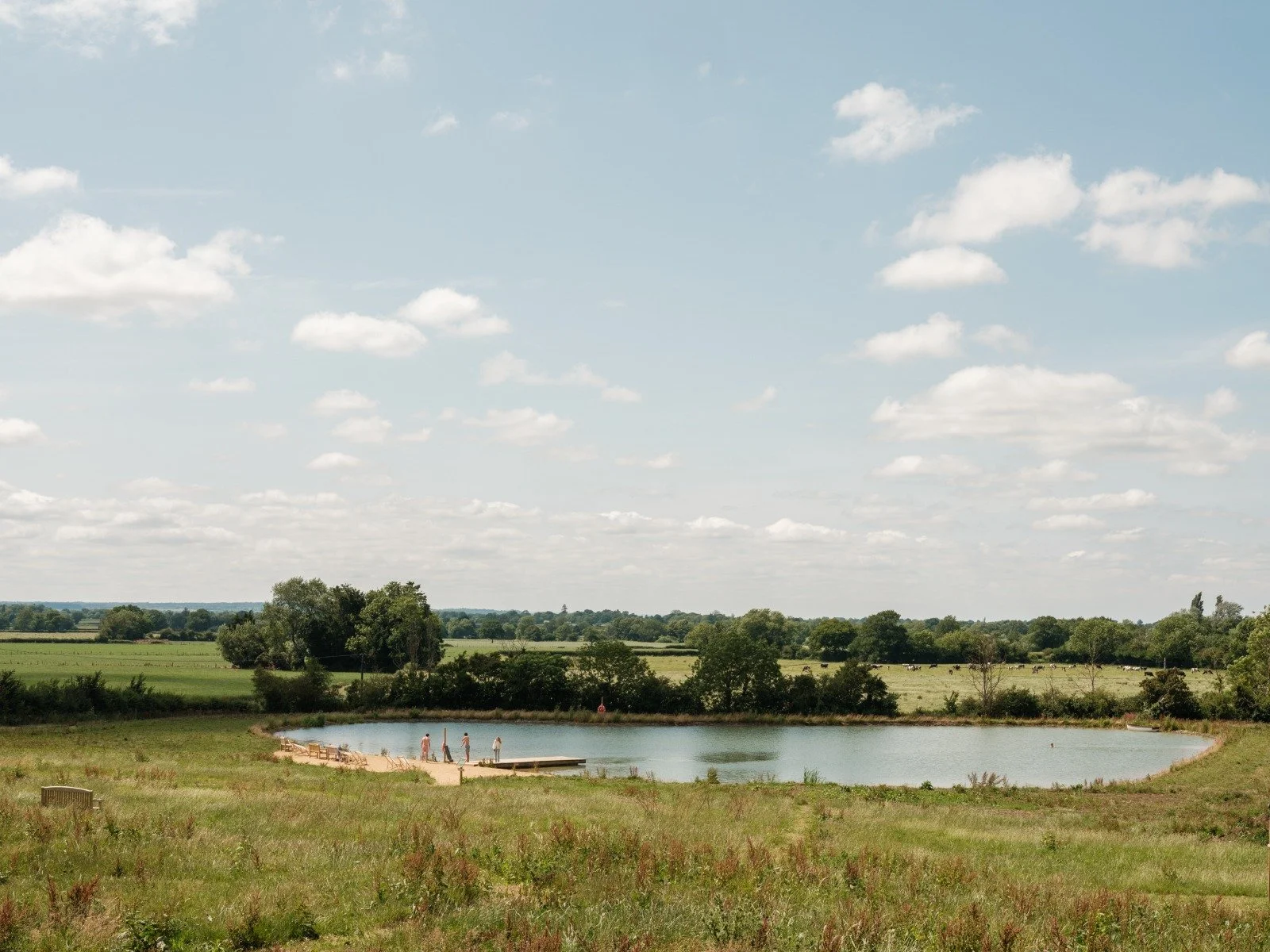
As weather patterns become more extreme — wetter winters, drier summers, more intense rainfall events — how a landscape holds, moves, and stores water is no longer just a design consideration. It is a question of long-term resilience and viability. Landscapes designed to work with water rather than against it are better placed to adapt, recover, and continue producing under pressure.
Water planning is never treated in isolation. It is integrated from the outset with soil restoration, cropping systems, habitat design, and long-term landscape structure — because water touches everything.
Site-wide hydrological assessment
Catchment analysis & water flow mapping
Rainwater capture & storage strategies
Flood risk assessment & mitigation
Drainage redesign in compacted or degraded ground
Swales, retention features & infiltration design
Irrigation system design
Ecological water quality improvement
Climate adaptation & landscape resilience planning