The work spans the full arc of a land project — from the first site visit to long-term stewardship. Each engagement is scoped to what the land and the brief actually require, drawing on an integrated body of knowledge rather than a fixed set of services.
Approach
Services
Advisory Site Visits & Land Walks
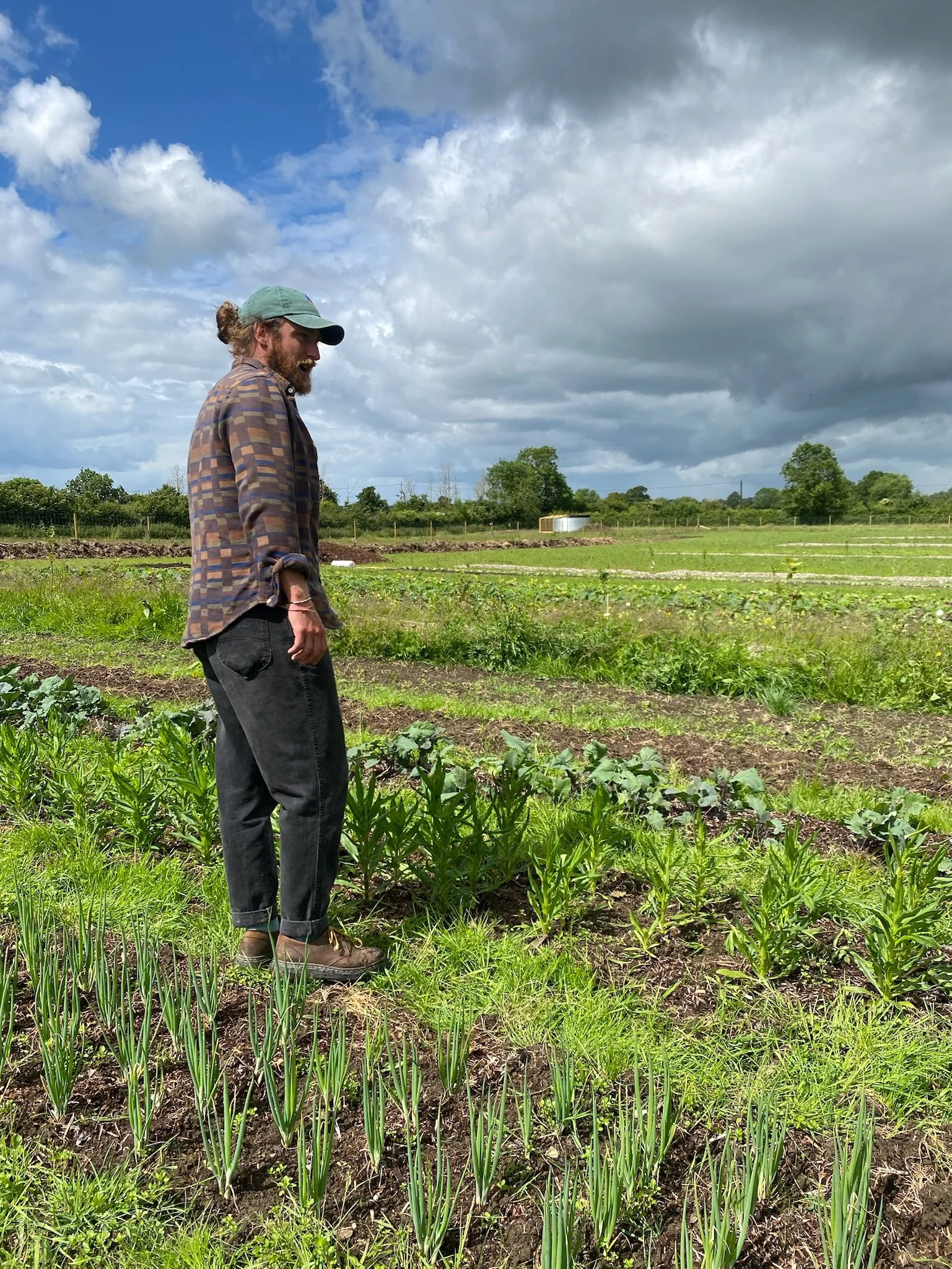
Sometimes the most valuable thing is simply a knowledgeable pair of eyes on the land and an honest conversation about what's possible.
A site visit or land walk is an informal but rigorous engagement — a chance to explore the land together, ask the questions that matter, and arrive at a clearer sense of direction. It may be the beginning of a longer relationship or a standalone piece of advice. Either way, it is always grounded in the specific character of your land and your situation.
Every visit is followed by a written summary — outlining key observations, constraints and opportunities, and suggested next steps.
Covering:
Whole-site walk & contextual observation
Initial soil reading — texture, structure, compaction, drainage & ground cover
Water movement & hydrology — where it flows, pools, drains or is lost
Existing vegetation & what it indicates ecologically
Sun, wind, aspect & microclimate conditions
Boundaries, edges & neighbouring land use
Current & historical land use
Infrastructure — tracks, buildings, fencing & utilities
People — management capacity, vision & ambitions
Enterprise context — viability, markets & potential income streams
Immediate opportunities & early interventions worth considering
Prioritised recommendations tailored to context
Written follow-up report
A good first conversation changes how you see your land. Most longer collaborations begin exactly here.
Survey and analysis
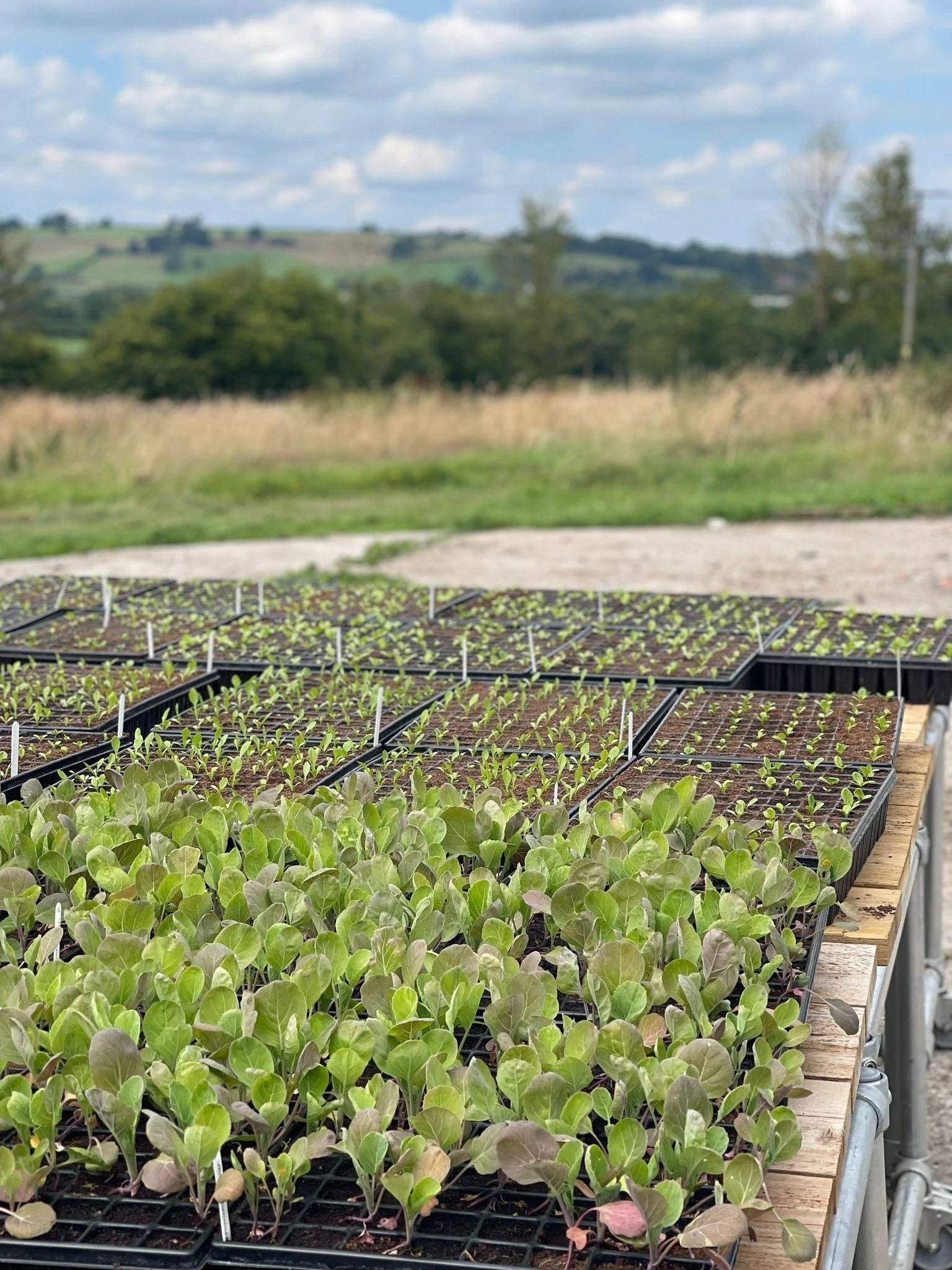
Every landscape has a story written into it — in the way water moves across a slope, in the health of the soil beneath the grass, in the species that have chosen to grow there and those that haven't. But land does not exist in isolation. It is shaped by the people who tend it, the community it sits within, the economy it must function inside, and the broader ecological and cultural context it belongs to. Reading all of that accurately is the foundation of everything that follows.
This is not a conventional site survey. It is a rigorous, whole-system observation of the land and its context before any intervention is proposed — understanding patterns, flows, constraints, relationships, and latent capacity. The goal is to know the land on its own terms, and the full human and ecological picture around it, before making any claim about what it could become.
Covering:
Whole-site observation & contextual assessment
Sector analysis — sun, wind, water, access, views, and edge conditions
Soil survey, testing & biological analysis
Hydrological mapping & water flow analysis
Ecological baseline & species assessment
Geological & landscape context
Infrastructure, access & existing land-use review
People, skills, capacity & management review
Community context & relationships
Local economy, markets & routes to viability
Potential allies, networks & collaborative opportunities
Constraints & opportunities mapping
Zone & sector planning framework
Written assessment report with prioritised recommendations
Most longer-term collaborations begin here. The assessment shapes everything — design, sequencing, investment priorities, and long-term management. Time spent reading the land — and everything connected to it — carefully is never wasted.
Agroecological & Regenerative Land Design
Whole-Site & Landscape Design
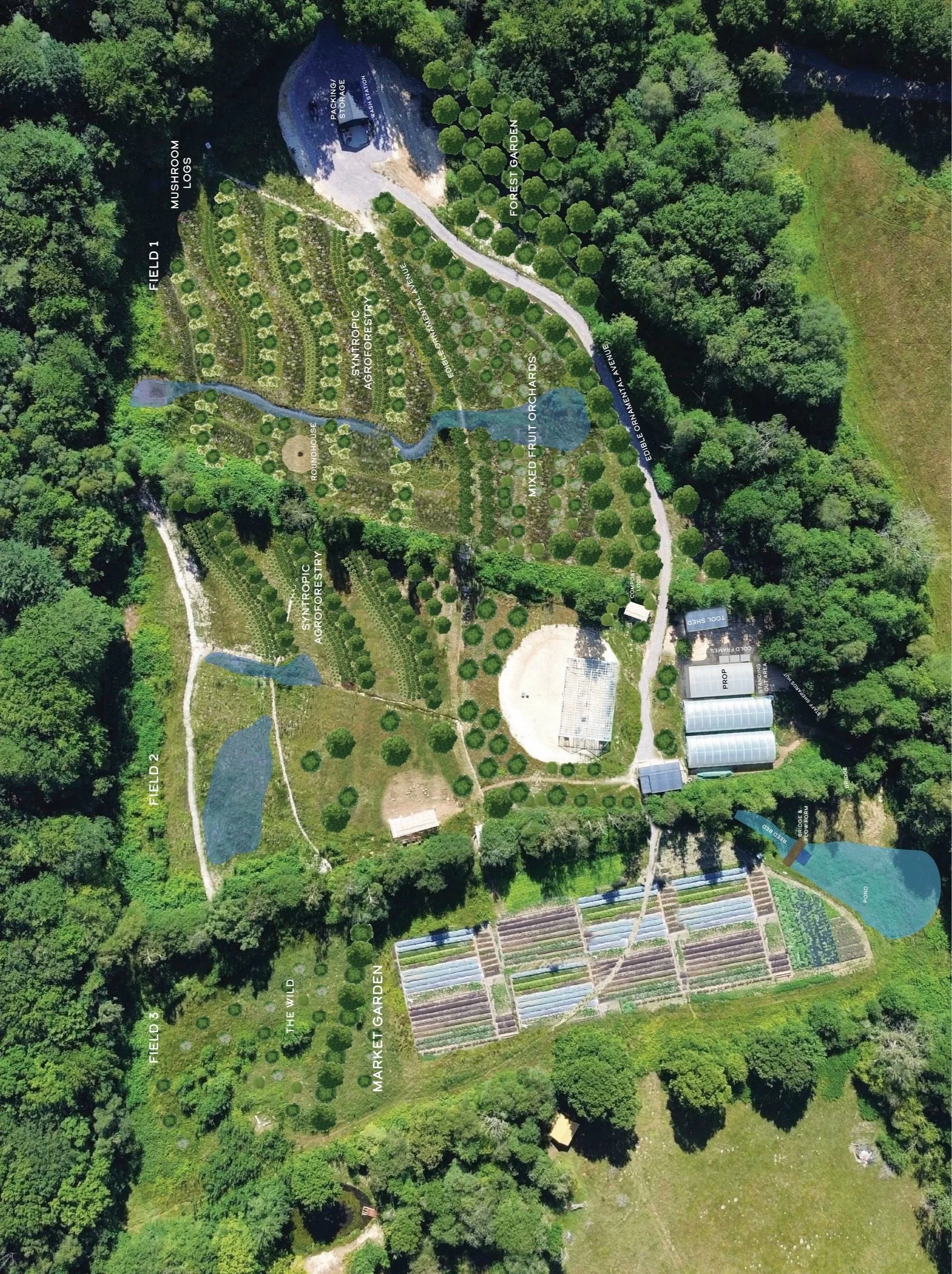
Design is where observation becomes intention. A whole-site design holds every layer of the land simultaneously — soil, water, food production, ecology, infrastructure, beauty, and the people who will work and live within it — and finds the arrangement that serves all of them at once. From a kitchen garden to a thousand-acre estate, no design emerges from a template. Each one is drawn from the specific character of the land, the ambitions of the people connected to it, and a rigorous understanding of what the site can genuinely support.
Outputs range from conceptual frameworks to fully mapped plans and detailed implementation drawings.
Whole-Site Masterplanning
The overarching spatial design that brings every element into coherent relationship — ecology, production, water, infrastructure, access, and long-term management — arranged to work together rather than compete.
Agroforestry & Perennial Systems
Syntropic systems, silvopasture, forest gardens, shelterbelts, and tree-crop integration — designed to increase diversity, resilience, and long-term productivity while building ecological function into the landscape structure itself.
Regenerative Cropping & Market Garden Design
Biointensive vegetable systems, rotational planning, protected cropping, and propagation infrastructure — aligned with soil restoration goals and designed for viable, manageable production.
Integrated Livestock Systems
Grazing design that supports soil biology, pasture health, habitat diversity, and nutrient cycling — integrating animals as an active part of the ecological system rather than a separate enterprise.
Habitat, Water & Biodiversity Integration
Woodland, hedgerows, wetland features, ponds, pollinator corridors, and edge conditions — woven into the productive landscape rather than set apart from it. Water is treated as a design element in its own right: held, slowed, and celebrated rather than managed away.
Hospitality, Ornamental & Public-Facing Landscapes
Spaces designed to be beautiful, experienced, and ecologically alive. Whether around a restaurant, a leisure area, or a public landscape, these designs are rooted in ecological principles — and almost always incorporate edible plants. The productive and the beautiful are not in tension here. They are the same thing.
Soil Health & Ecological Restoration
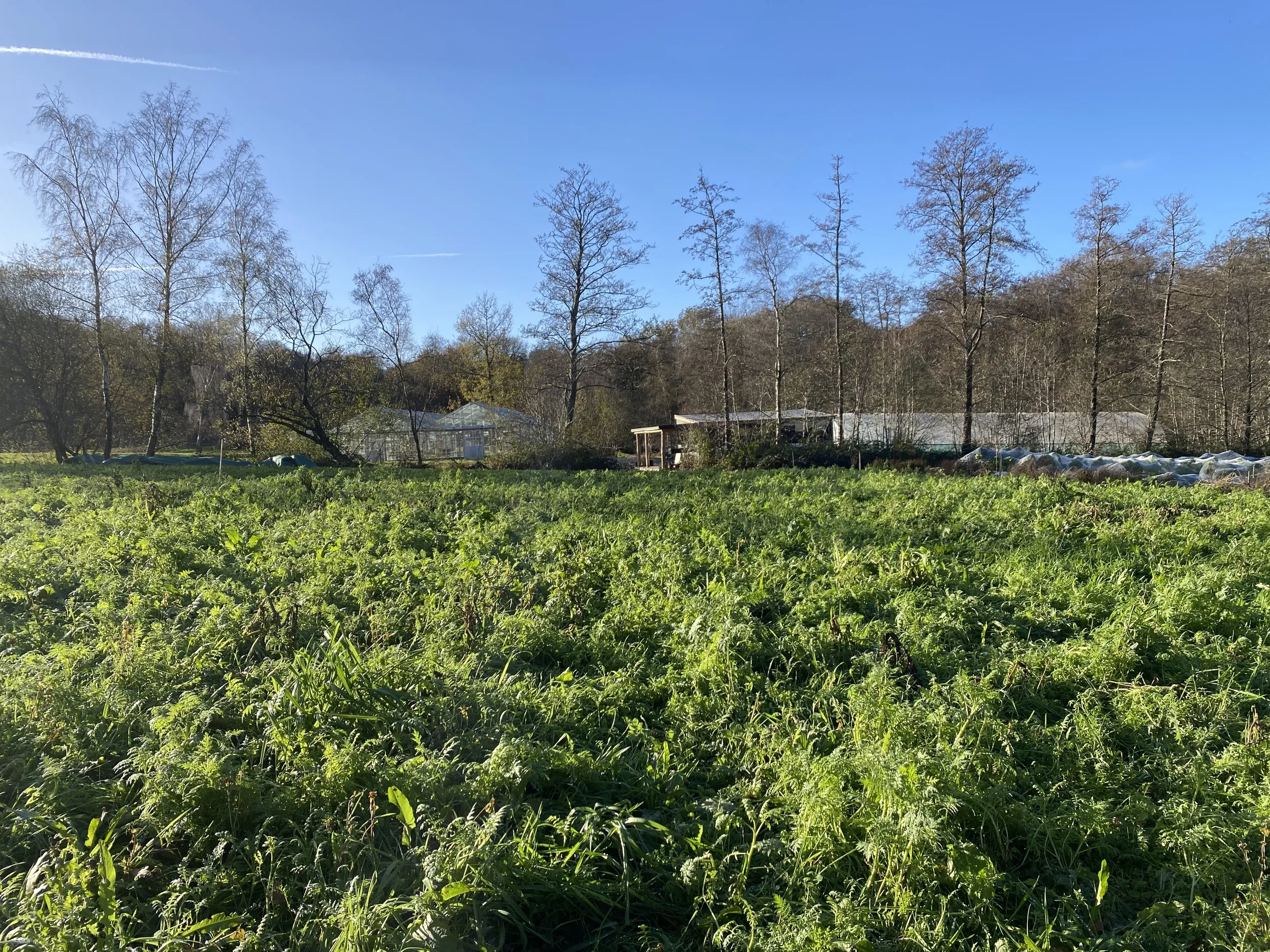
Soil is not a growing medium. It is a living world — more complex, more biodiverse, and more consequential than almost any ecosystem above ground. A teaspoon of healthy soil contains more living organisms than there are people on earth. It regulates water, sequesters carbon, cycles nutrients, supports plant immunity, and underpins every productive and ecological function a landscape can perform.
When that living world is damaged — through compaction, chemical dependency, tillage, or neglect — everything built on top of it becomes fragile. Restoring it is not a single intervention. It is an ongoing process, embedded within every other aspect of system design, that compounds in health and productivity over time.
This work integrates rigorous scientific assessment with practical regenerative strategies — reading what the soil is actually doing and building a programme that restores biological function from the ground up.
Soil Assessment & Restoration Planning
Soil testing, biological analysis, and interpretation — understanding the full picture of nutrient balance, microbial activity, compaction, drainage, and organic matter before designing any intervention.
Covering:
Soil testing & biological analysis
Nutrient balancing within regenerative frameworks
Composting & on-site fertility production
Green manures, herbal lays & ecological soil restoration
Biological amendments & soil rebuilding strategies
Long-term soil monitoring & adaptive management
Plant Health, Pest & Disease Management
Healthy plants grown in biologically active soil have fundamentally different resilience to pest and disease pressure than those grown in degraded ground. This work addresses plant health at the systems level — reducing dependency on external inputs by building the ecological conditions that make plants genuinely robust.
For farms and growers spending heavily on inputs, this is often where the most significant savings and productivity gains are found.
Covering:
Plant health diagnostics
Integrated pest & disease management planning
Soil-plant relationship analysis
Reduction of chemical input dependency
Biological & ecological intervention strategies
The goal is not to manage problems — but to design conditions in which they are far less likely to arise.
Water Systems & Hydrological Design
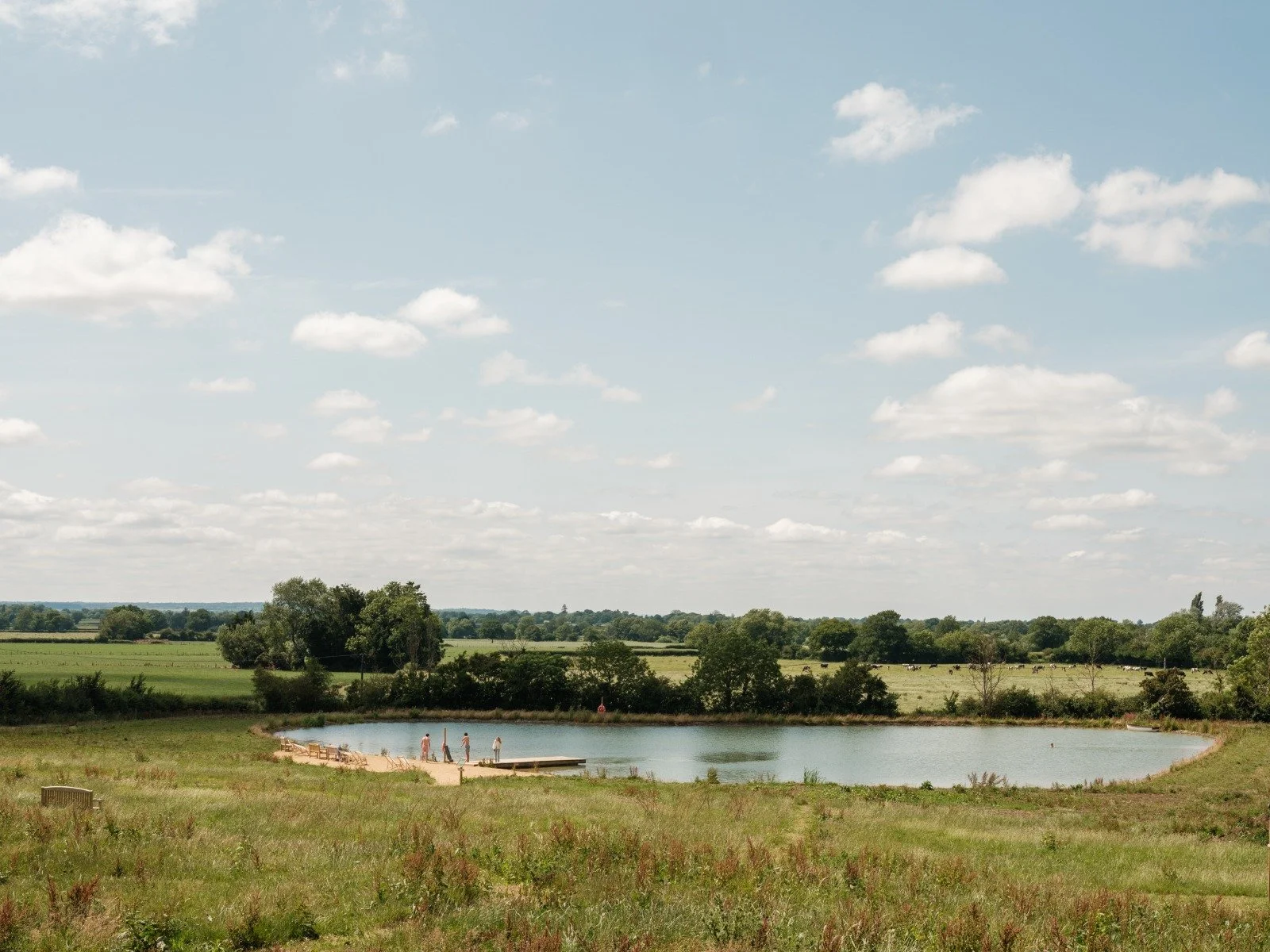
Water is the lifeblood of any landscape. It determines what can grow, where, and how reliably. It shapes soil structure, drives ecological function, and — when poorly managed — is the single greatest source of lost productivity, degraded land, and climate vulnerability.
As weather patterns become more extreme — wetter winters, drier summers, more intense rainfall events — how a landscape holds, moves, and stores water is no longer just a design consideration. It is a question of long-term resilience and viability. Landscapes designed to work with water rather than against it are better placed to adapt, recover, and continue producing under pressure.
Water planning is never treated in isolation. It is integrated from the outset with soil restoration, cropping systems, habitat design, and long-term landscape structure — because water touches everything.
Covering:
Site-wide hydrological assessment
Catchment analysis & water flow mapping
Rainwater capture & storage strategies
Flood risk assessment & mitigation
Drainage redesign in compacted or degraded ground
Swales, retention features & infiltration design
Irrigation system design
Ecological water quality improvement
Climate adaptation & landscape resilience planning
Well-designed water systems increase fertility, reduce risk, expand viable growing capacity, and make a landscape genuinely resilient to a changing climate.
Implementation & Project Delivery
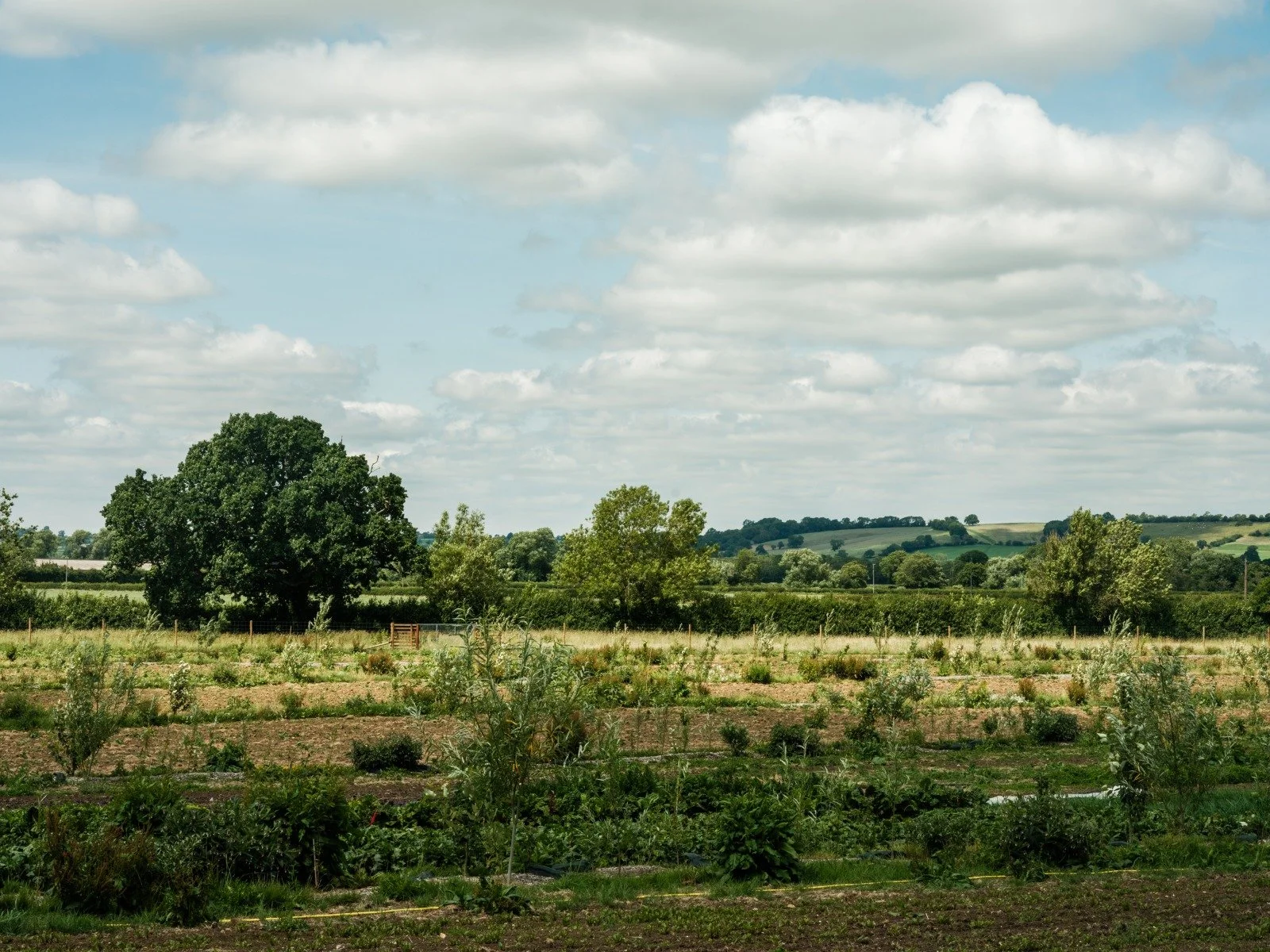
Design alone does not transform land. Delivery, sequencing, and management determine outcomes — and a design is only as good as the care taken in bringing it into being.
Implementation is managed as an integrated process, with active on-site oversight to ensure every element is established according to design intent. Contractors and specialists are coordinated and directed throughout, with phasing planned to respect the logic of the land and the sequence in which living systems need to be established.
The aim is not installation — but the creation of systems that are genuinely functional, manageable, and built to improve over time.
Covering:
Implementation planning & project phasing
On-site oversight & design integrity management
Contractor coordination & infrastructure sequencing
Access, tracks & service infrastructure
Water systems installation — irrigation, rainwater capture, storage & drainage
Propagation & cropping infrastructure
Establishment of agroforestry & perennial systems
Fertility & pest management frameworks
Ongoing establishment monitoring & adaptive management
The transition from design to functioning landscape is where most projects either succeed or fall short. Being present, precise, and responsive throughout that process is what makes the difference.
Research, Monitoring, Impact & Reporting
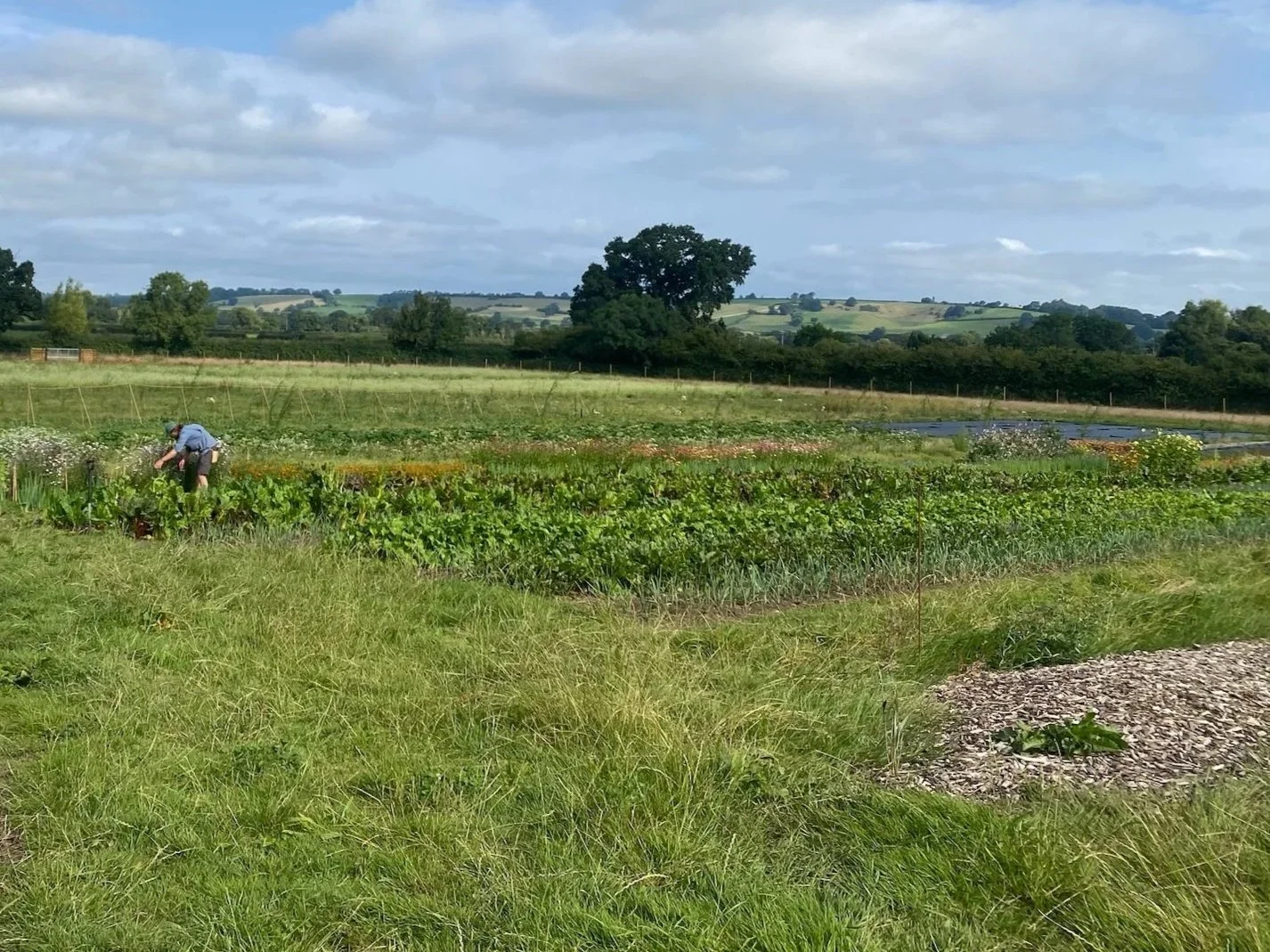
Ecological claims require evidence. As regenerative land use moves from niche to mainstream, the ability to measure, demonstrate, and report on what a landscape is actually doing — ecologically, biologically, and in terms of carbon — has become as important as the design itself.
Monitoring is not an afterthought. It is built into the project from the outset — a framework designed to track the right indicators, at the right intervals, in a way that supports both adaptive management and external accountability. Specialist ecologists and soil scientists are brought in to carry out surveys where required; their findings are interpreted and reported within the context of the whole system.
Carbon baselining is carried out using the Farm Carbon Toolkit — a recognised, robust methodology that gives landowners and organisations a credible starting point for sequestration measurement and reporting.
Covering:
Monitoring framework design & indicator selection
Soil carbon baselining & sequestration tracking
Biological soil health monitoring
Biodiversity surveying & species assessment
Habitat condition assessment
Yield, plant health & productivity data collection
Research design & validation
Impact reporting for funded & grant-supported projects
Annual or periodic reporting for landowners & stakeholders
What gets measured gets understood. What gets understood gets improved. Monitoring is how a living system learns about itself — and how the people stewarding it make better decisions over time.
Strategy, Funding & Viability
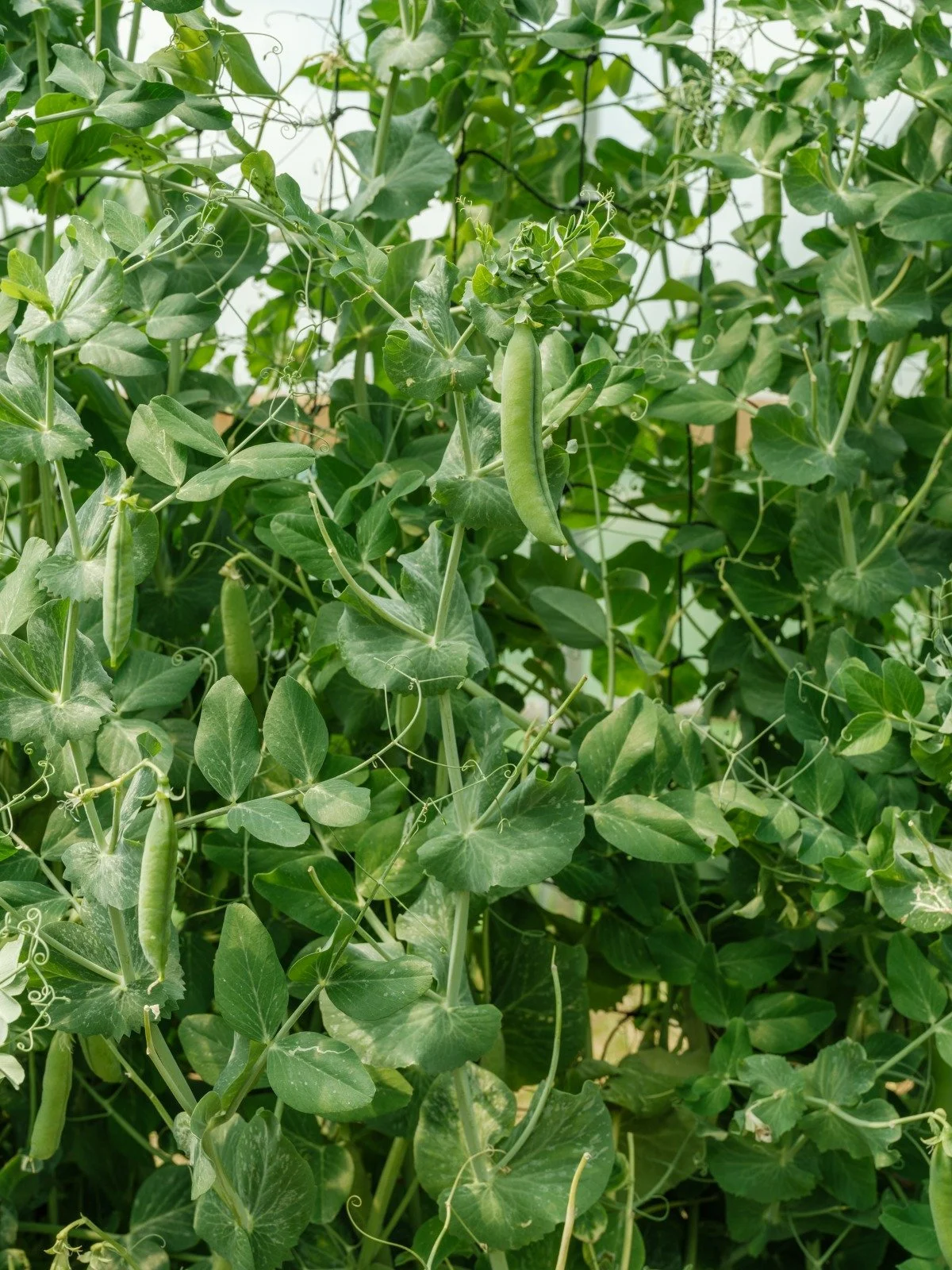
Regenerative land systems must be economically viable to endure. Ecological ambition and financial sustainability are not in tension — but aligning them requires careful thinking about how a landscape generates value, and for whom.
The most resilient land projects are those where ecological function and productive diversity reinforce each other. A landscape designed for soil health, biodiversity, and food production naturally creates the conditions for multiple income streams — diversified produce, hospitality, education, events, and tourism — each one made possible by the health and abundance of the land itself. This is what stacking functions means in practice: designing a system where ecological, productive, and financial outputs build on each other rather than compete.
For farms and estates, the Environmental Land Management Scheme — ELMS — offers significant support for the transition to more ecologically functioning land use. Understanding how to align a project with ELMS requirements, and how to navigate the scheme effectively, is an integral part of the strategic work.
Covering:
Enterprise design & stacking of functions
Diversification strategy & new income stream development
Operational planning
Budgeting & financial modelling
ELMS guidance & agri-environment scheme navigation
Compliance & reporting
Phased growth strategies
The aim is landscapes that function ecologically and economically — generating lasting value rather than depending on short-term intervention.
Education, Training & Facilitation
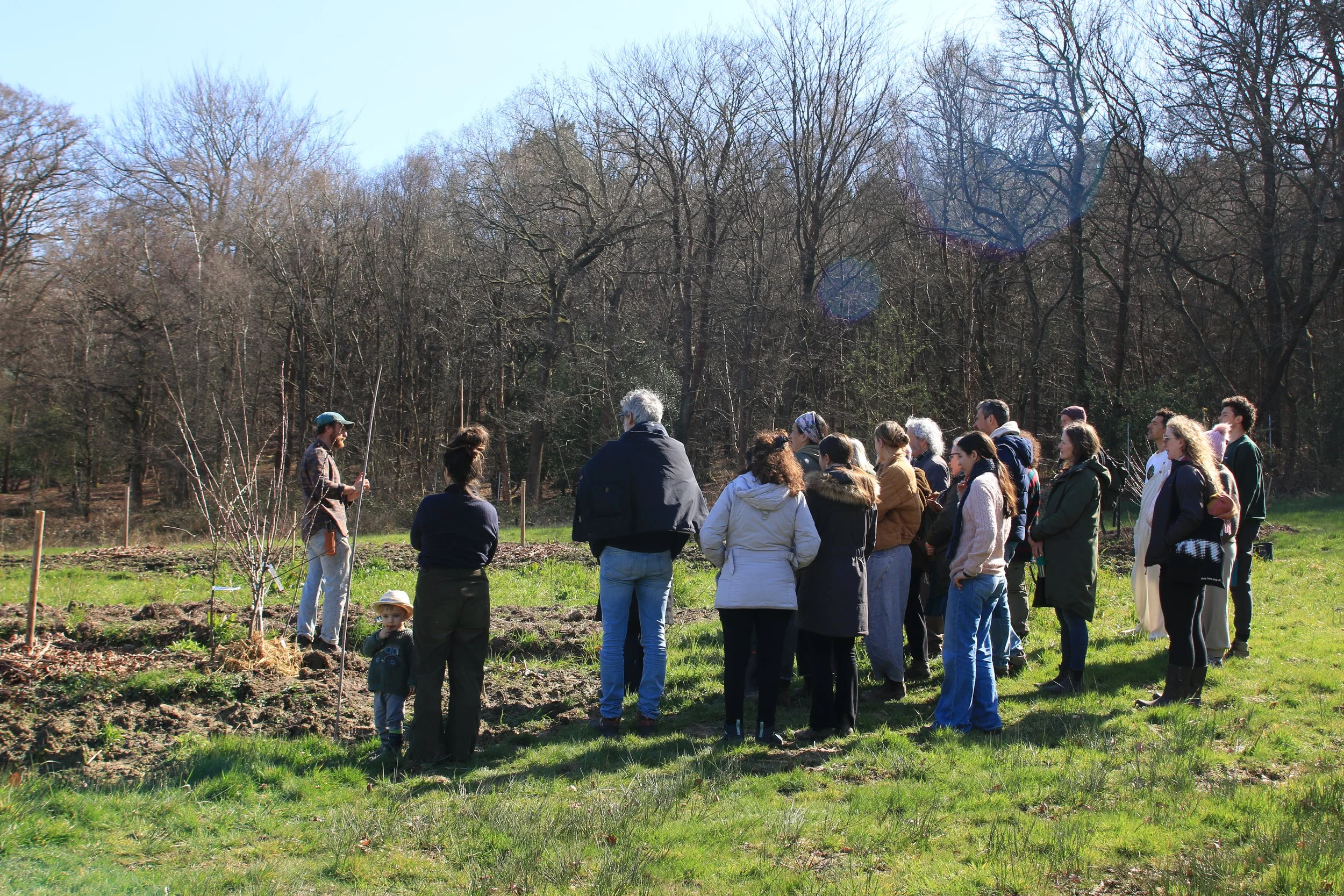
Individual projects matter. But the transformation of how we relate to land — ecologically, culturally, and economically — requires something larger. It requires knowledge to move: deeply into the values and understanding of those who work with land, outward into communities and institutions, and upward into the policies and systems that shape what is possible.
This is the framework that guides the education work here — scaling deep, scaling out, and scaling up. Not just transferring information, but building the kind of understanding that changes how people see, feel, and act in relation to land and living systems.
Education is approached through head, heart, and hand — the intellectual understanding, the values and motivation, and the practical skill that together make change real and lasting. It is most powerful when rooted in real land and real implementation.
Covering:
On-site workshops & field days
Structured training programmes
Curriculum design for schools & institutions
Team & organisational facilitation
Public speaking & sector engagement
Knowledge exchange & peer learning programmes
This work is for anyone who tends land, teaches about it, makes decisions about it, or wants to understand it more deeply — from estate managers and farmers to schoolchildren, institutions, and the broader public.