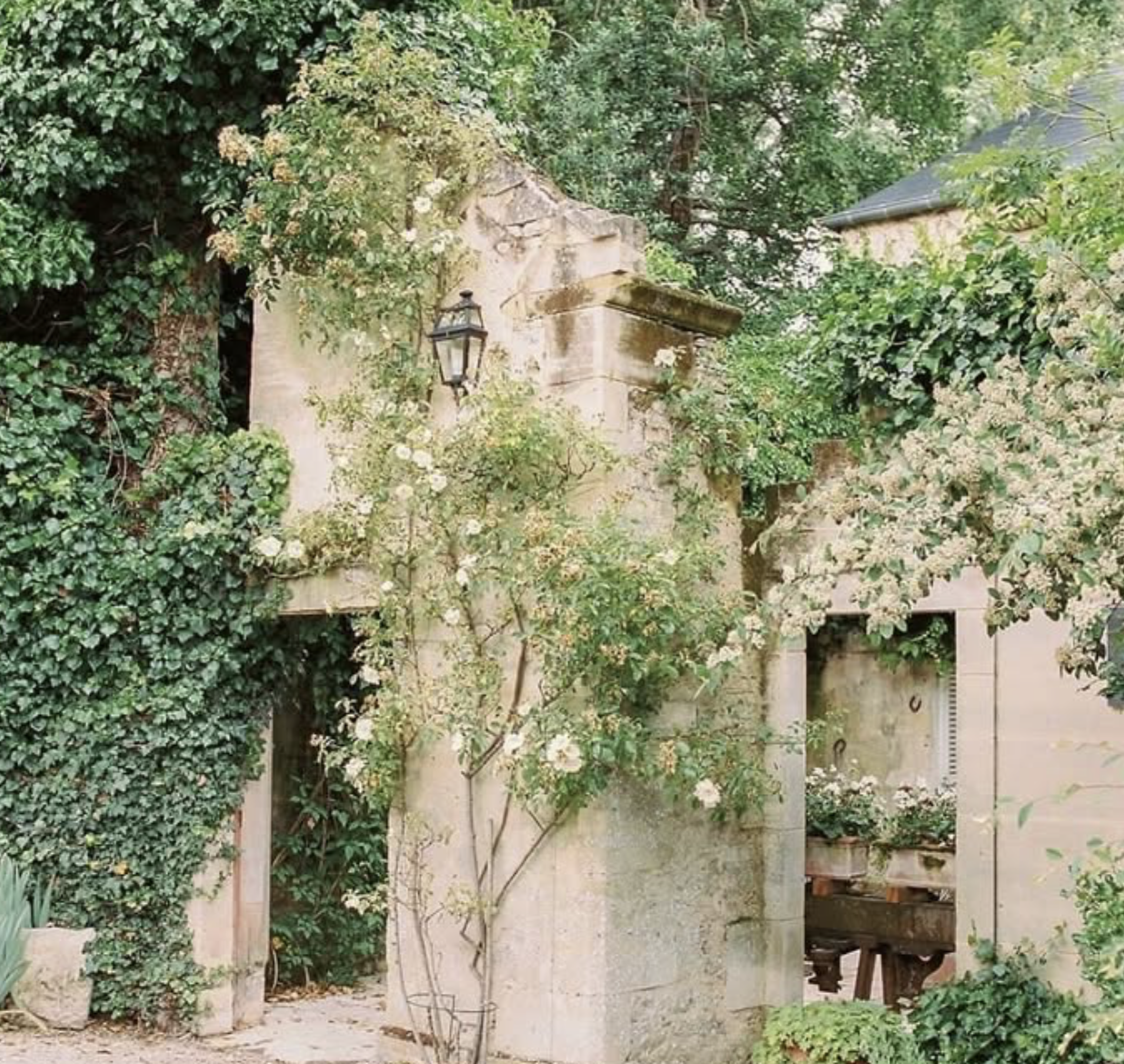
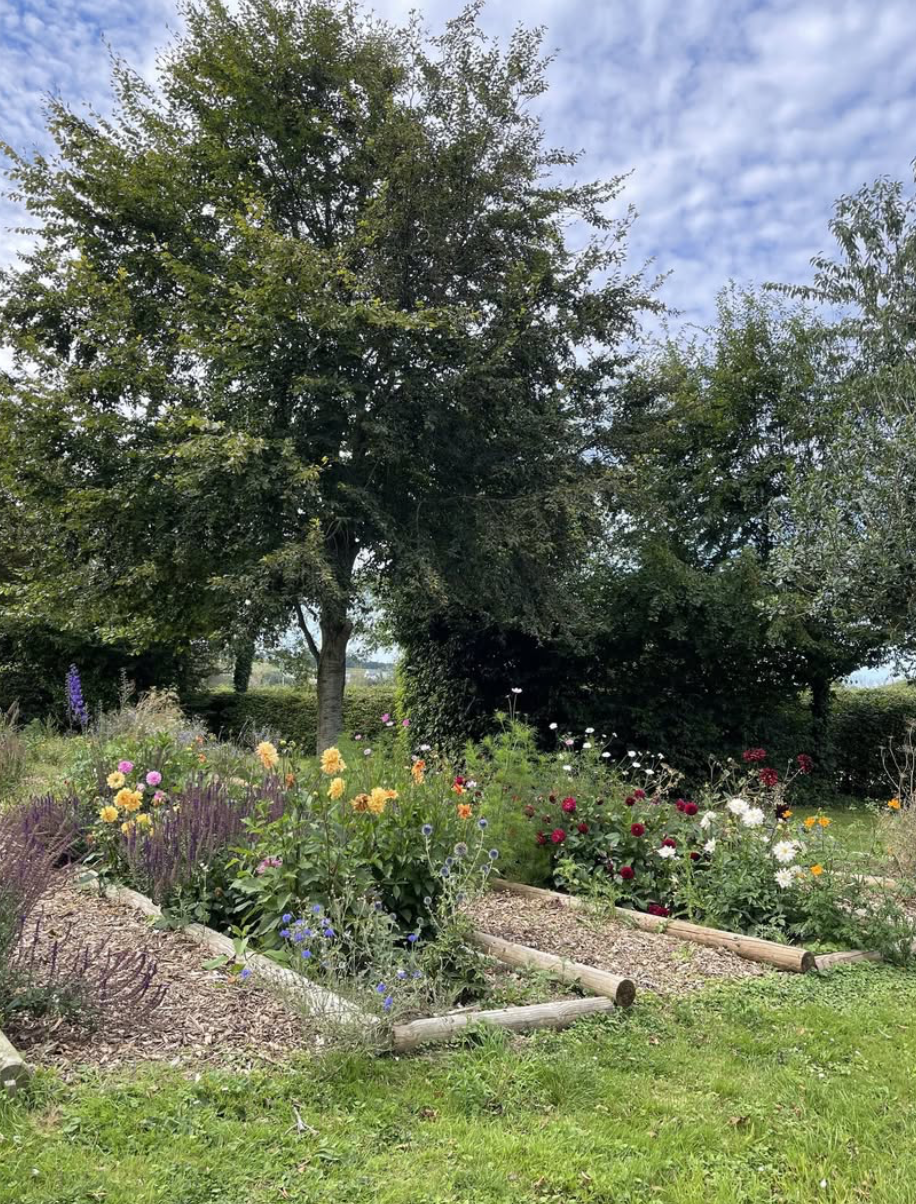
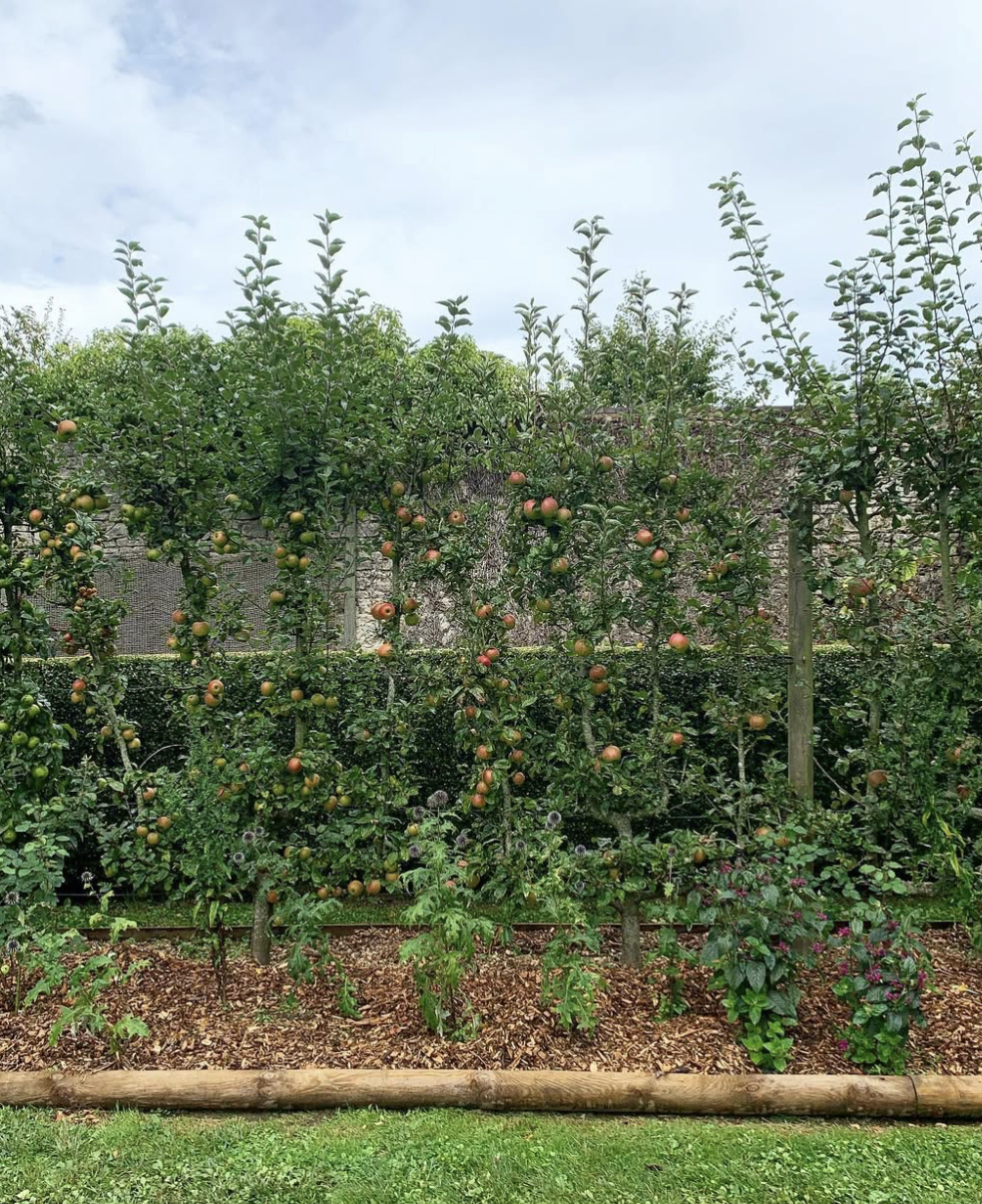
A selection of projects illustrating the range of my work across scales and contexts.

Higher Farm, UK


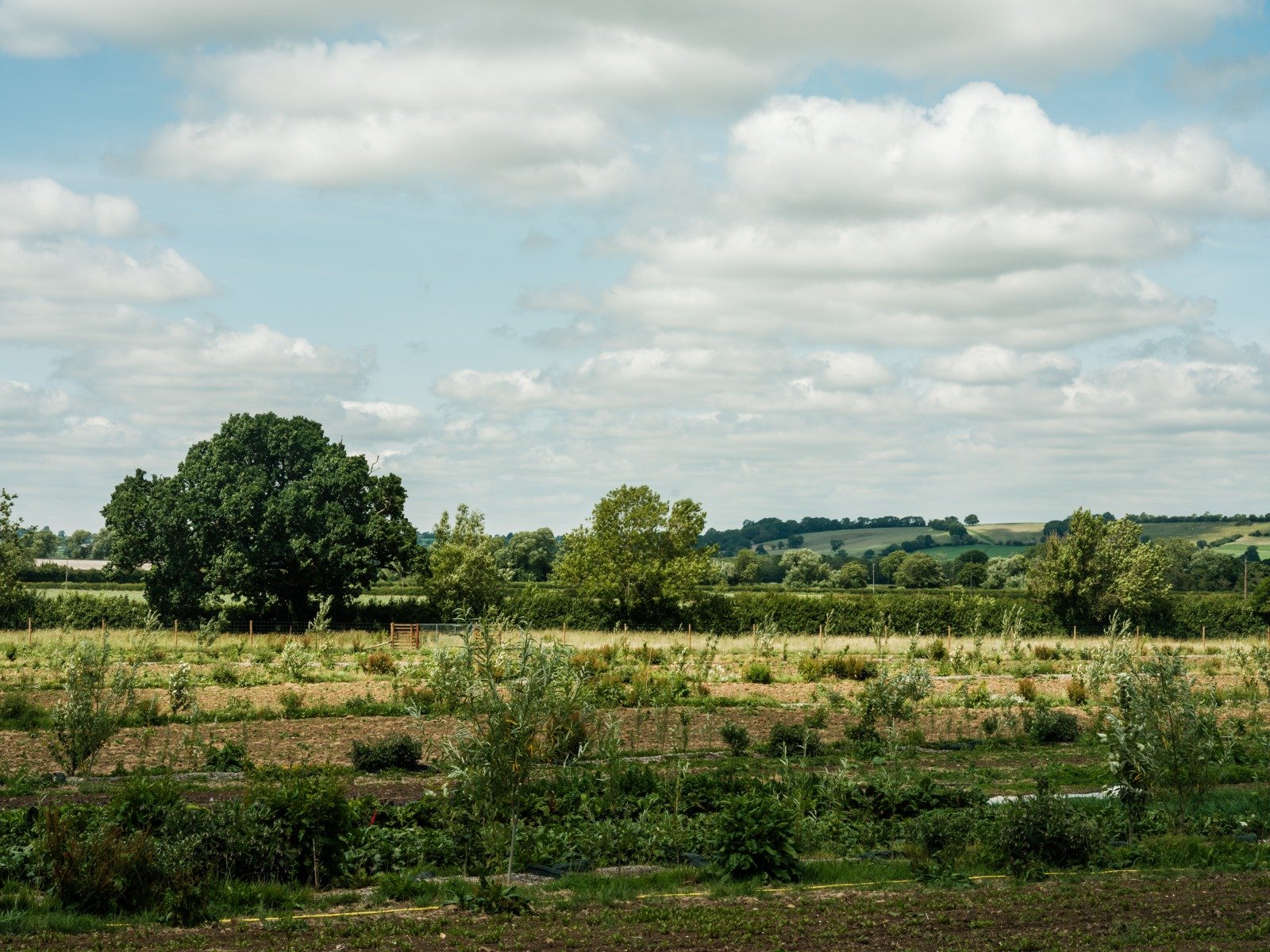
From simplified grassland to a living, productive farm

When I first arrived at Higher Farm, the land was largely uniform improved grassland — ecologically thin, with degraded soil structure and little diversity. A simplified landscape, but one with extraordinary latent potential.

Over two and a half years I led the farm's full transformation — not from a distance, but on the ground every day. I designed the systems, built the team, managed the operation, and was present for every stage of implementation. This was total immersion in what it means to bring a piece of land back to life.

The physical transformation was substantial:

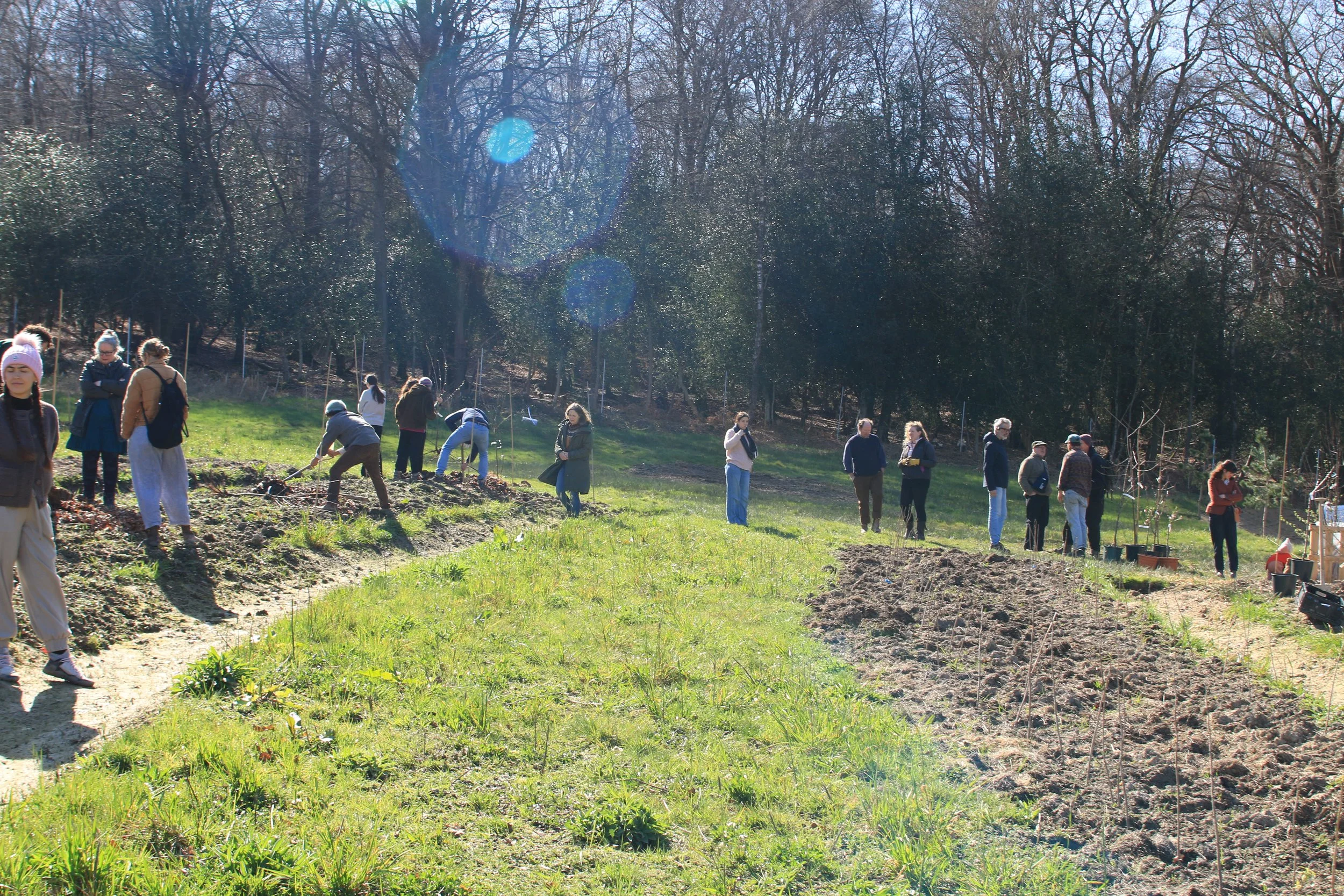
  • 2,000+ trees established through syntropic agroforestry, woodland planting, silvopasture, and forest garden systems

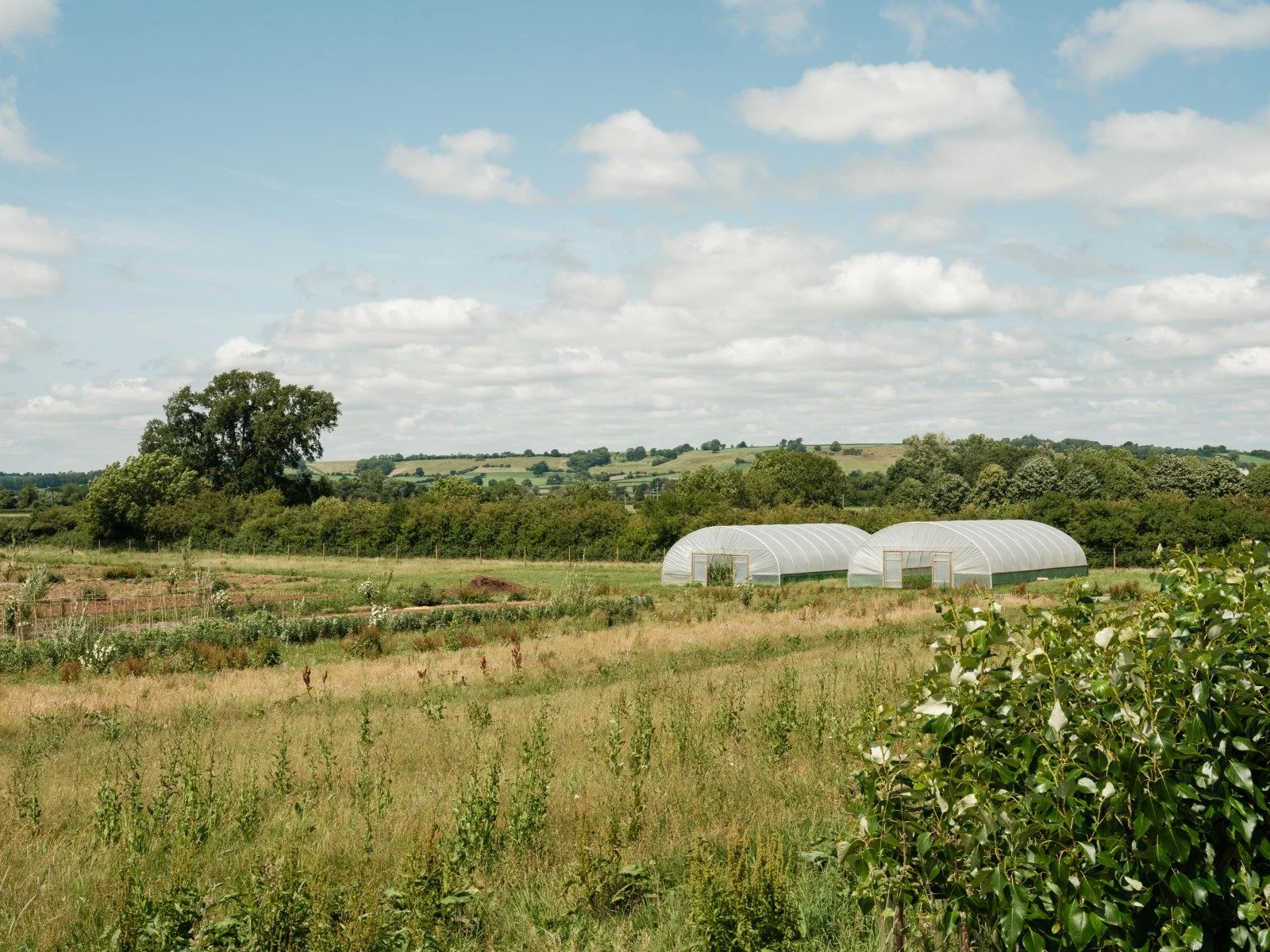
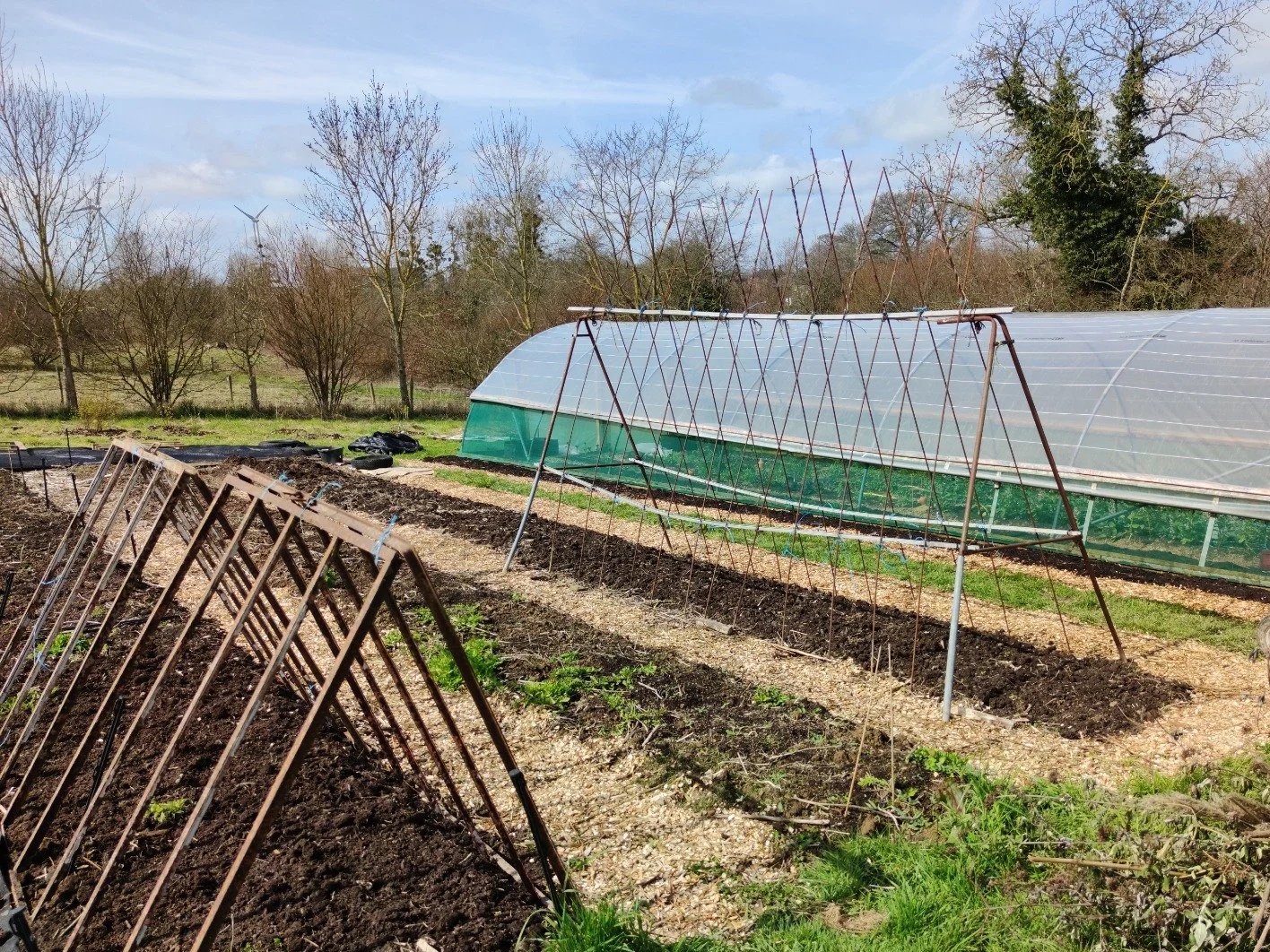
  • 12 acres of syntropic agroforestry integrated with biointensive market garden production

  • A 14-acre silvopasture system

  • A 3.5-acre forest garden and managed woodland

  • Irrigation and water distribution systems

  • Commercial packing and propagation infrastructure — designed and built on site

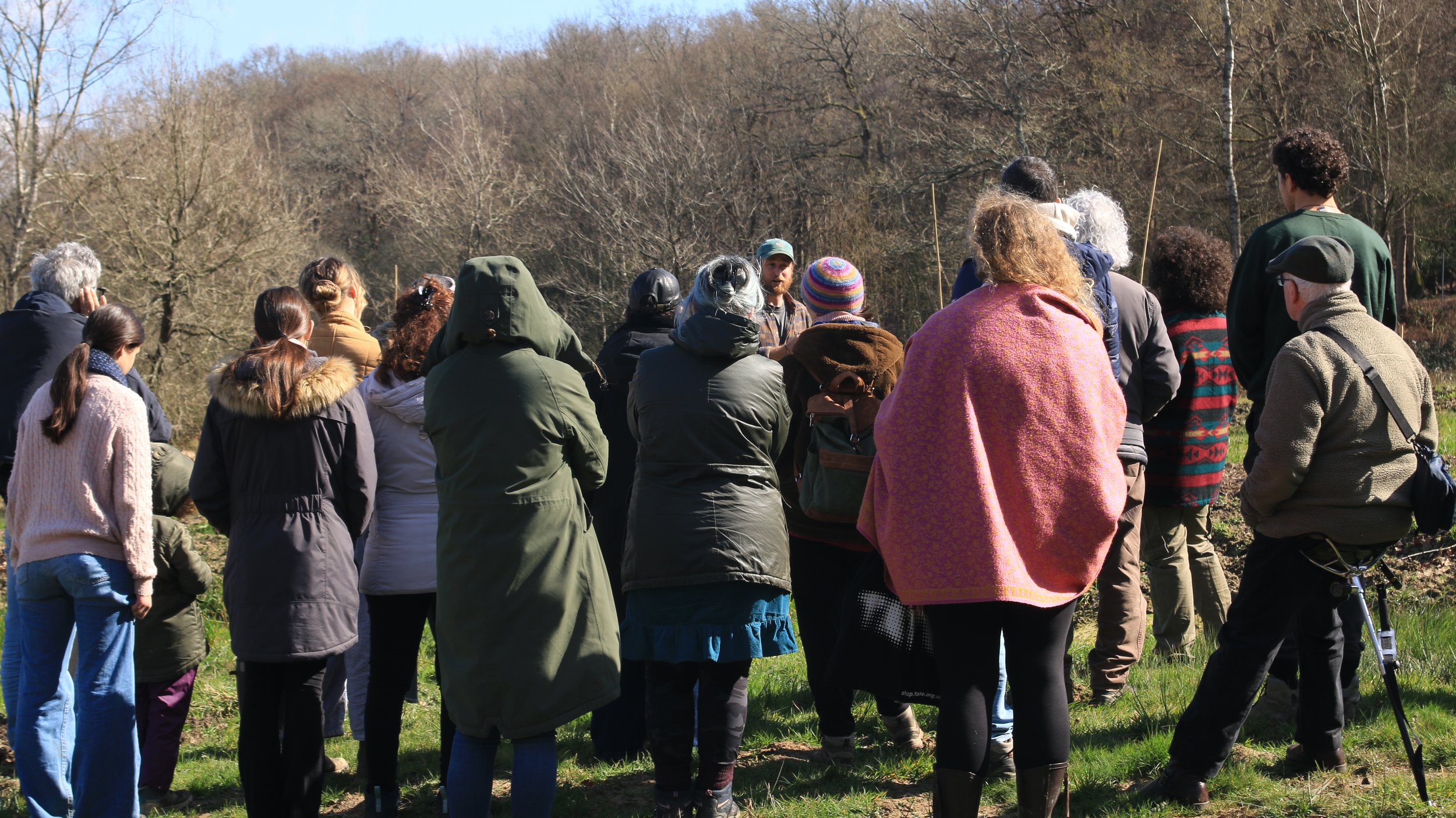
Alongside the design and build, I led the commercial operation from scratch — establishing a veg box delivery business, running stalls at two weekly markets, and helping design and build the on-site farm shop. The farm became a place people came to not just for food but for connection — regular farm tours drew engaged, returning audiences, and I ran courses in natural farming alongside wider education programming.

The ecological results were measurable and significant. Plant species on site increased by 650 within the first year — a number that cascades upward through insect, bird, and wider ecological health in ways that continue to compound. Biodiversity Net Gain improved by 10%, independently assessed.

What I am proudest of is the overall transformation — guiding the shift from simplified grassland to a productive, ecologically functioning farm that feeds people, restores life to the soil, and demonstrates what land can become.


Farmacy Farm, Ashdown Forest


Designing with a wetland, not against it

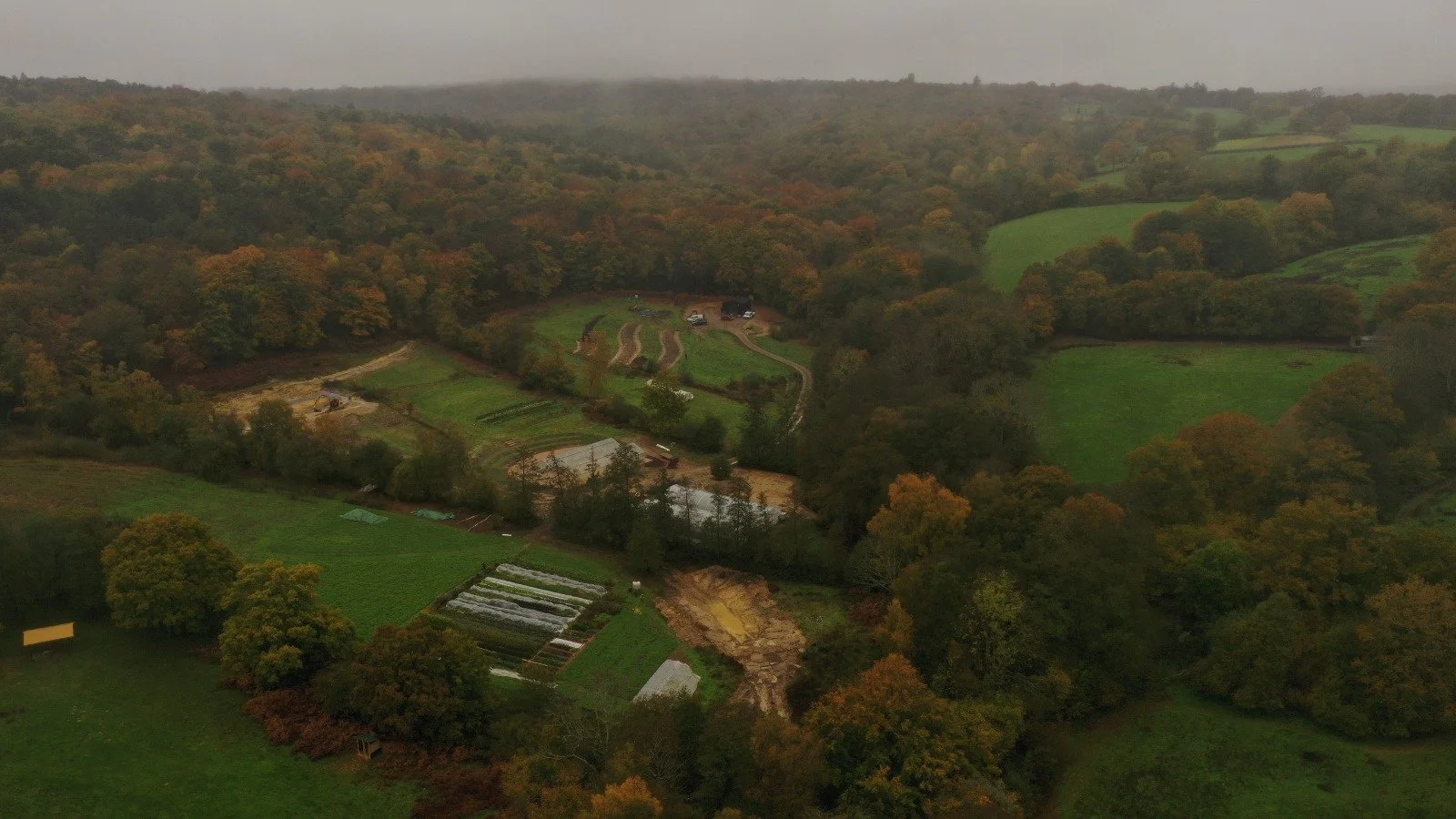
Farmacy sits within a clearing in the ancient Ashdown Forest — three wet fields at the end of a forest track, with no mains water, limited power, and a surrounding SSSI landscape that demanded every decision be made with ecological care. When I arrived, it was marginal ground by most assessments. What I saw was a wetland waiting to be worked with.

Over a year of full on-site embeddedness, I led the design and project management of the farm's transformation — coordinating contractors, managing budgets and sequencing, and overseeing every stage of implementation from infrastructure to planting.

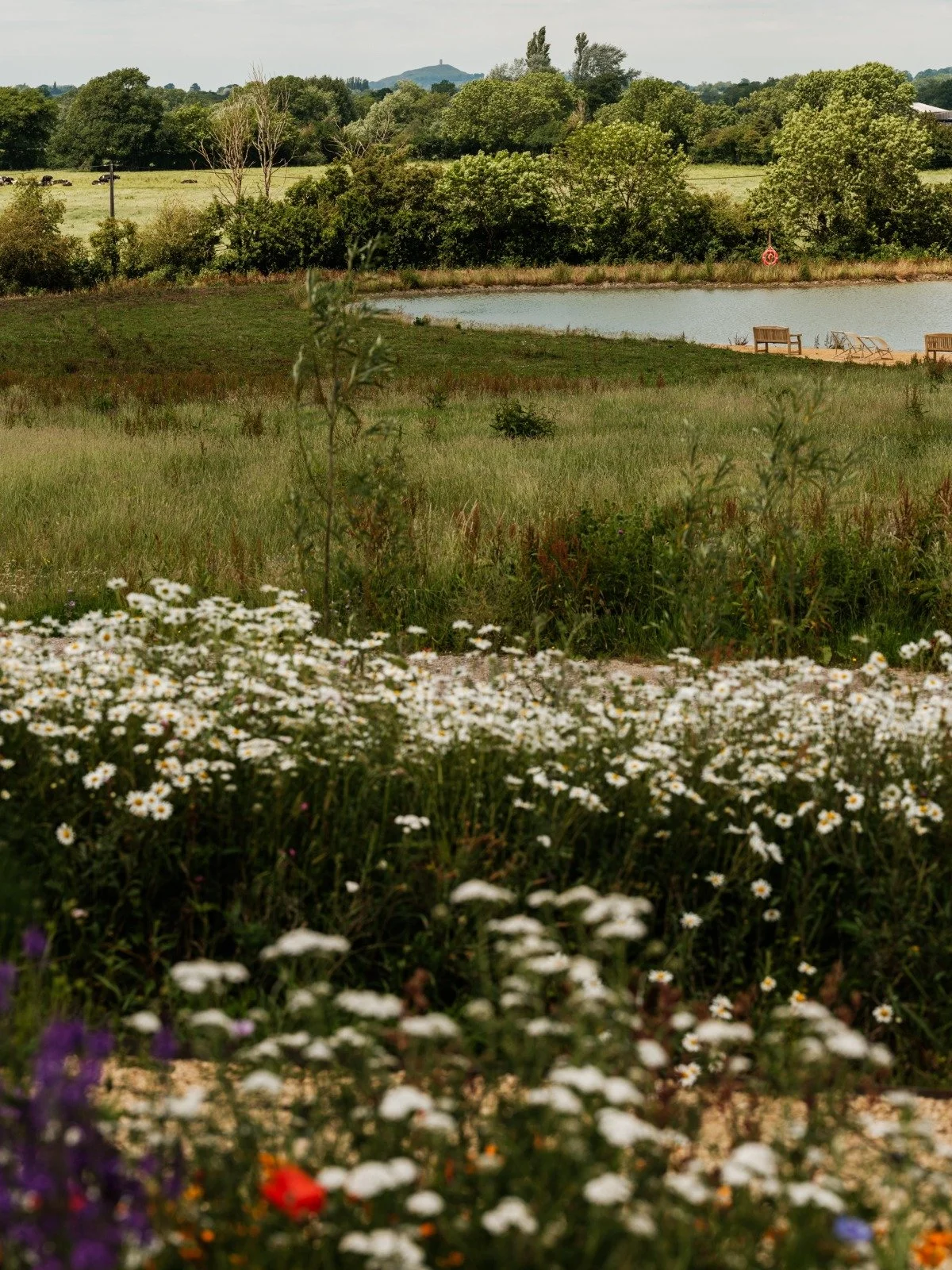
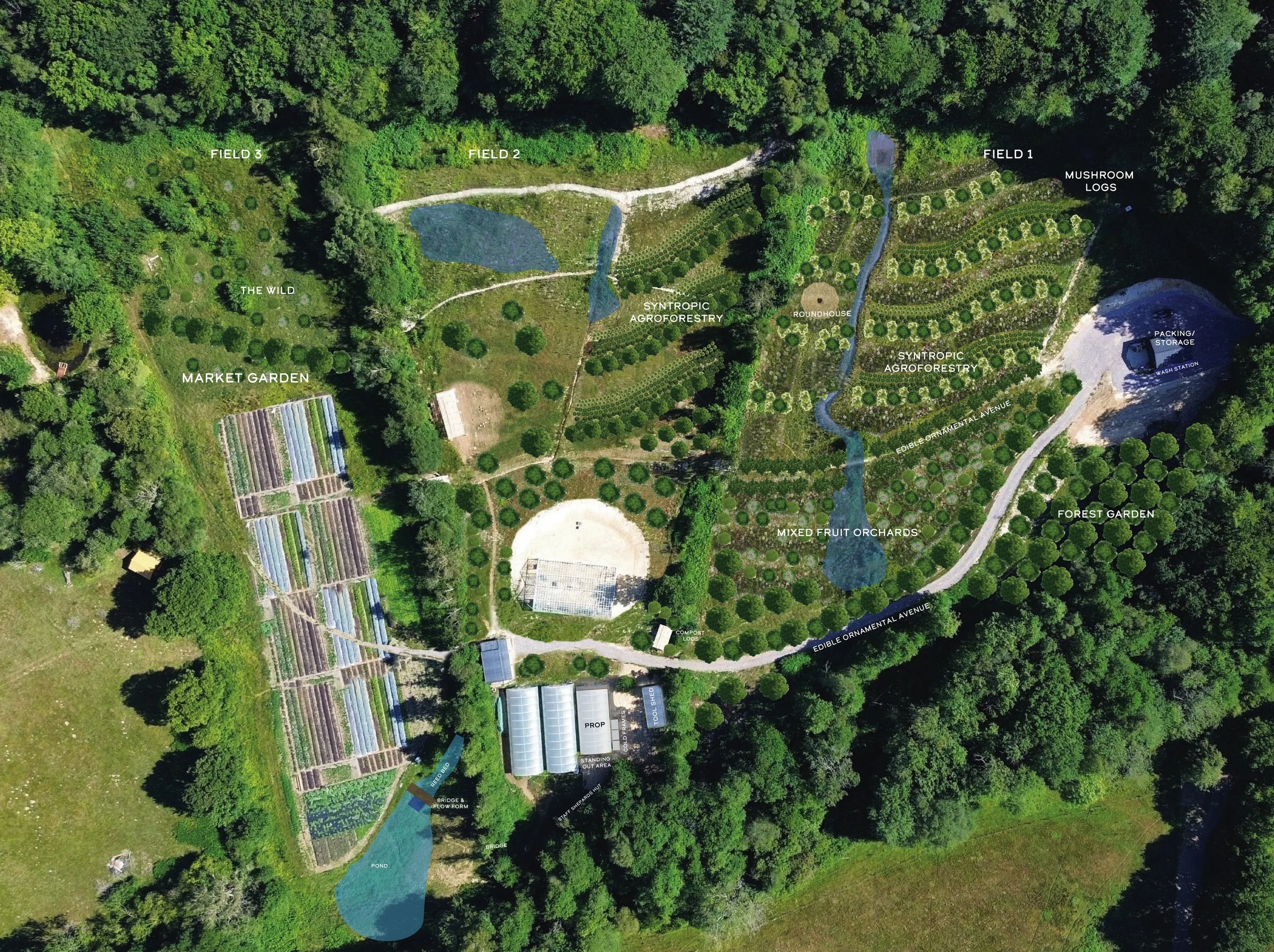
The water was the central design challenge and the central design opportunity. The site had no mains supply — so we installed a borehole, treating high iron and manganese levels to make it viable. Surface runoff from the surrounding woodland is now captured through a two-pond system, ecologically purified through planting and flow forms, and distributed via irrigation across the site. Rather than draining the wetland, swales were designed to move water intelligently — directing it toward areas developed as richer wetland habitat, and away from productive growing zones.

Soil testing revealed what the waterlogged history had left behind — depleted, mineralogically poor ground across all growing areas. A fully balanced mineral input programme was designed and implemented using ecological inputs, lifting both the floor and ceiling of soil fertility across the site and creating the conditions for genuinely productive growing.

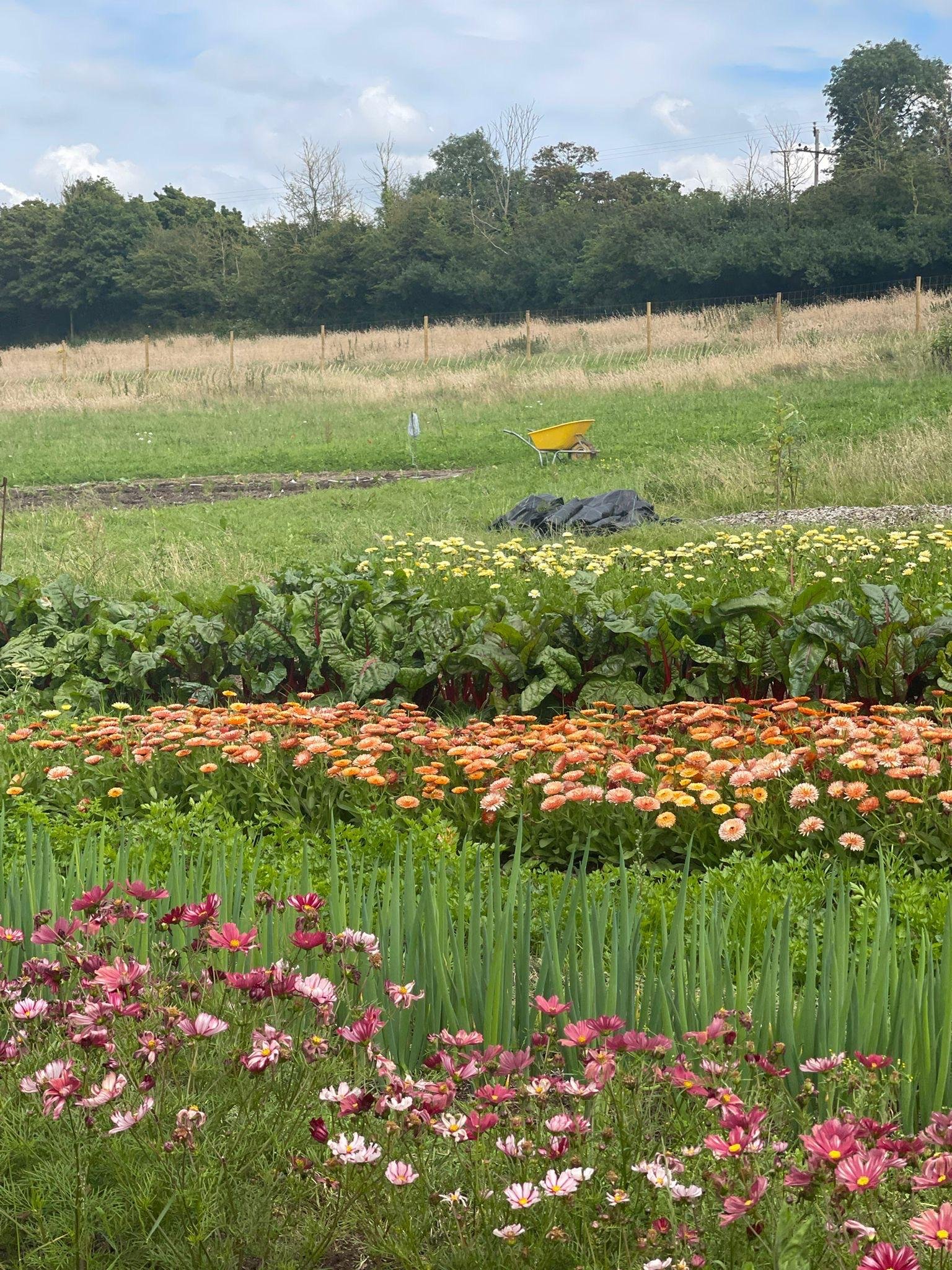
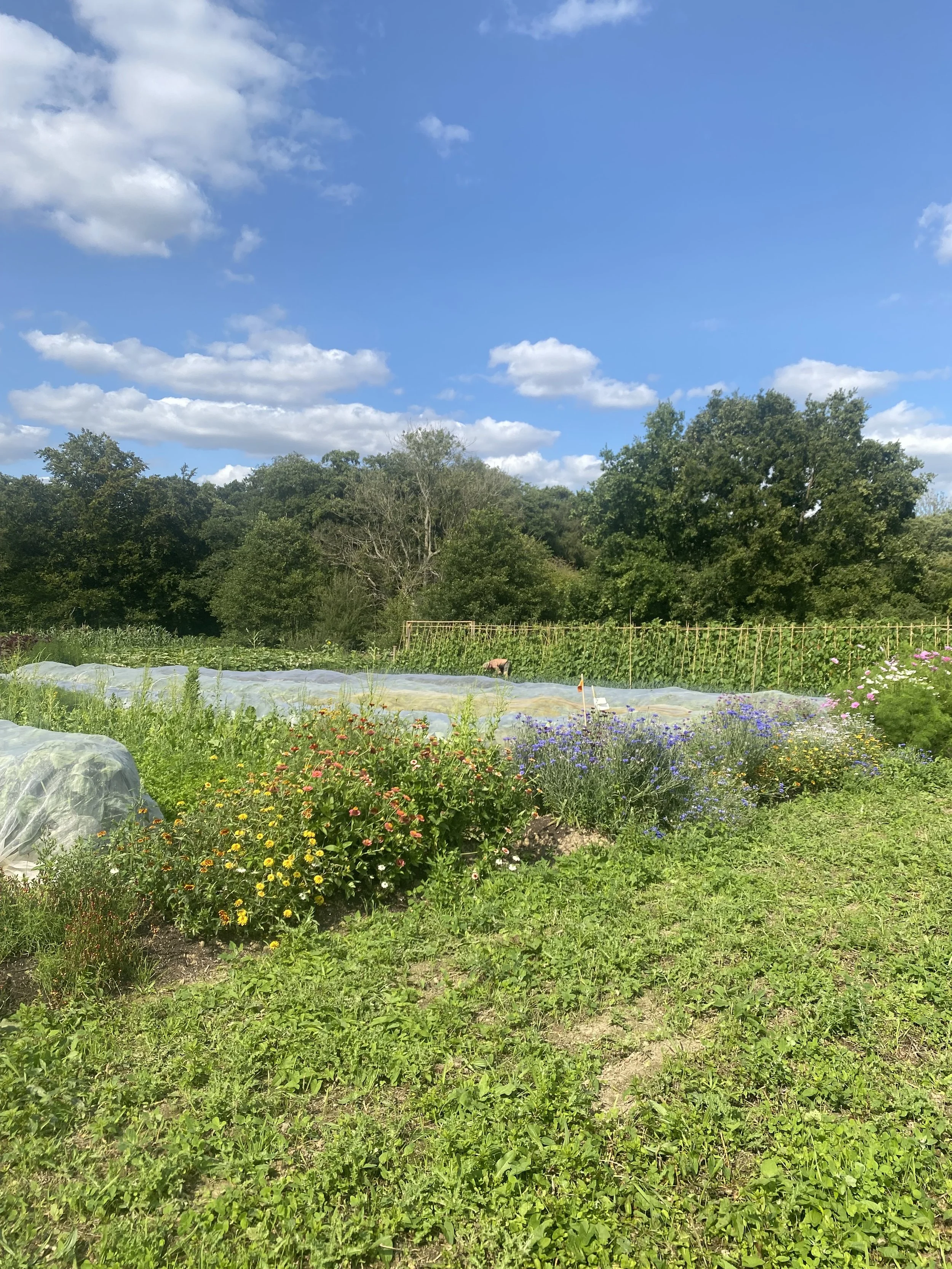
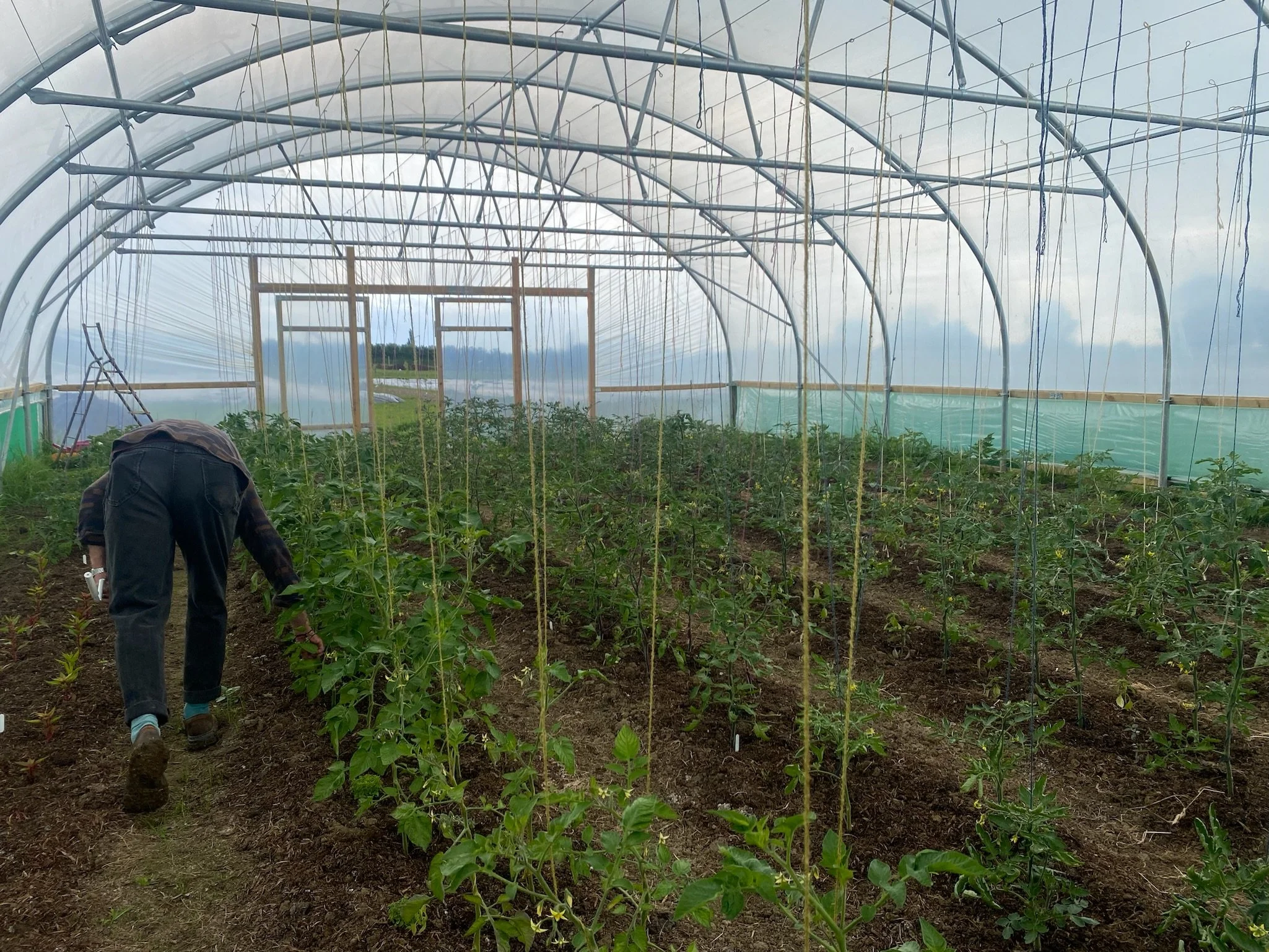
On and alongside those swale systems, a series of syntropic growing systems were established — top fruit, stone fruit, soft fruit, mushrooms, perennial vegetables, and dense biomass plantings, integrated with wildflower and green manure belts for pest and disease management. What was waterlogged grassland became a productive, ecologically layered landscape.

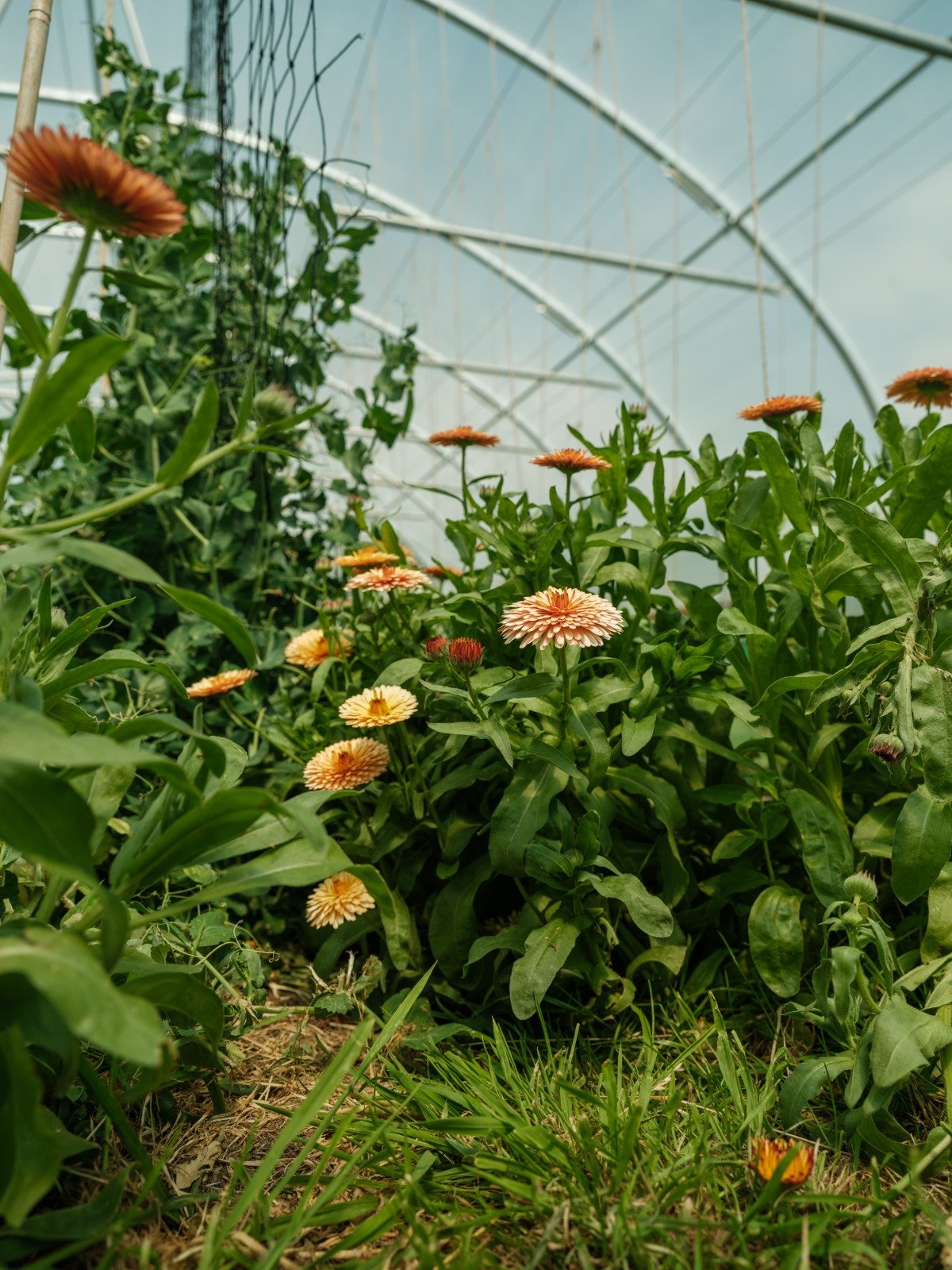
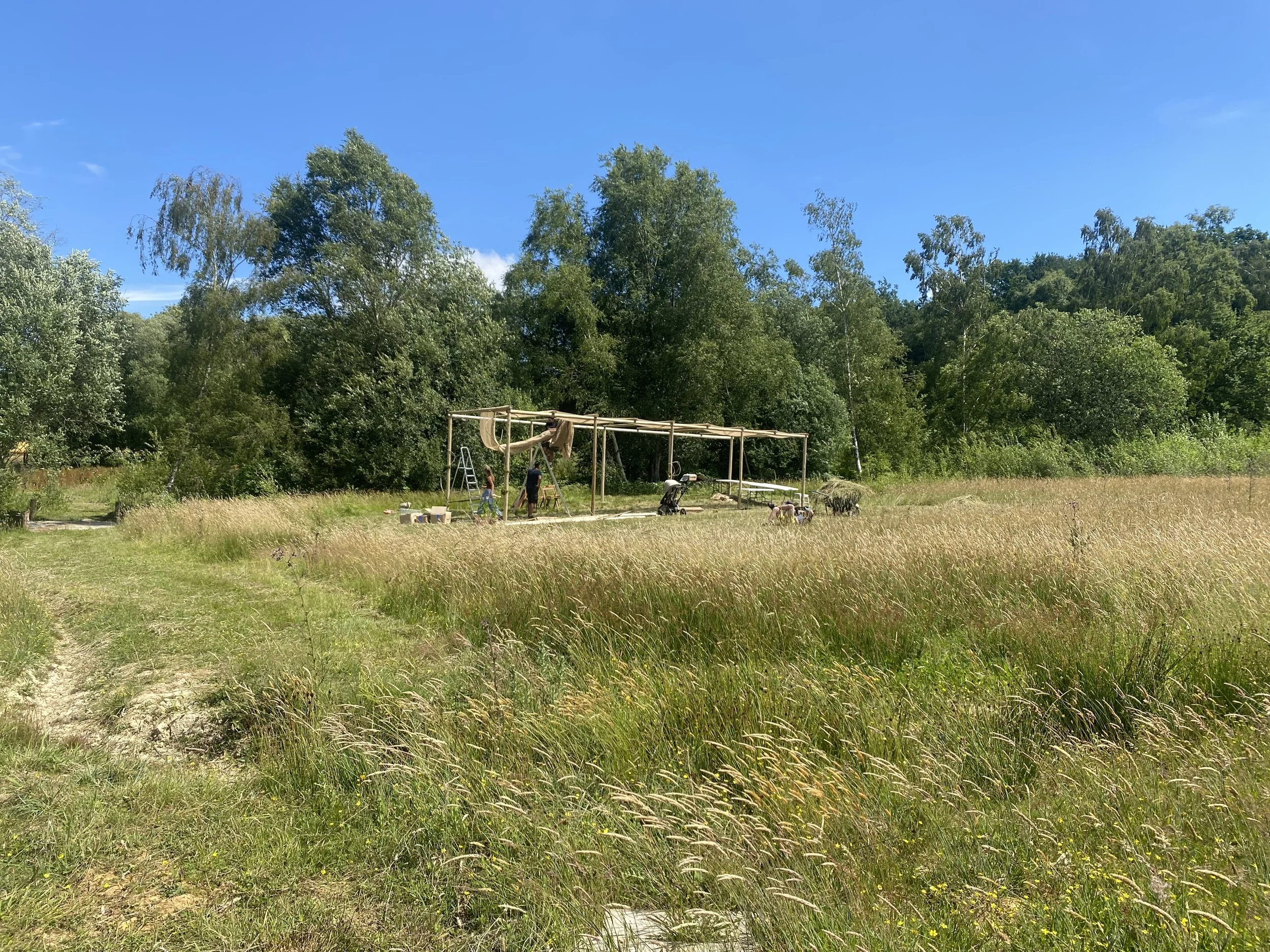
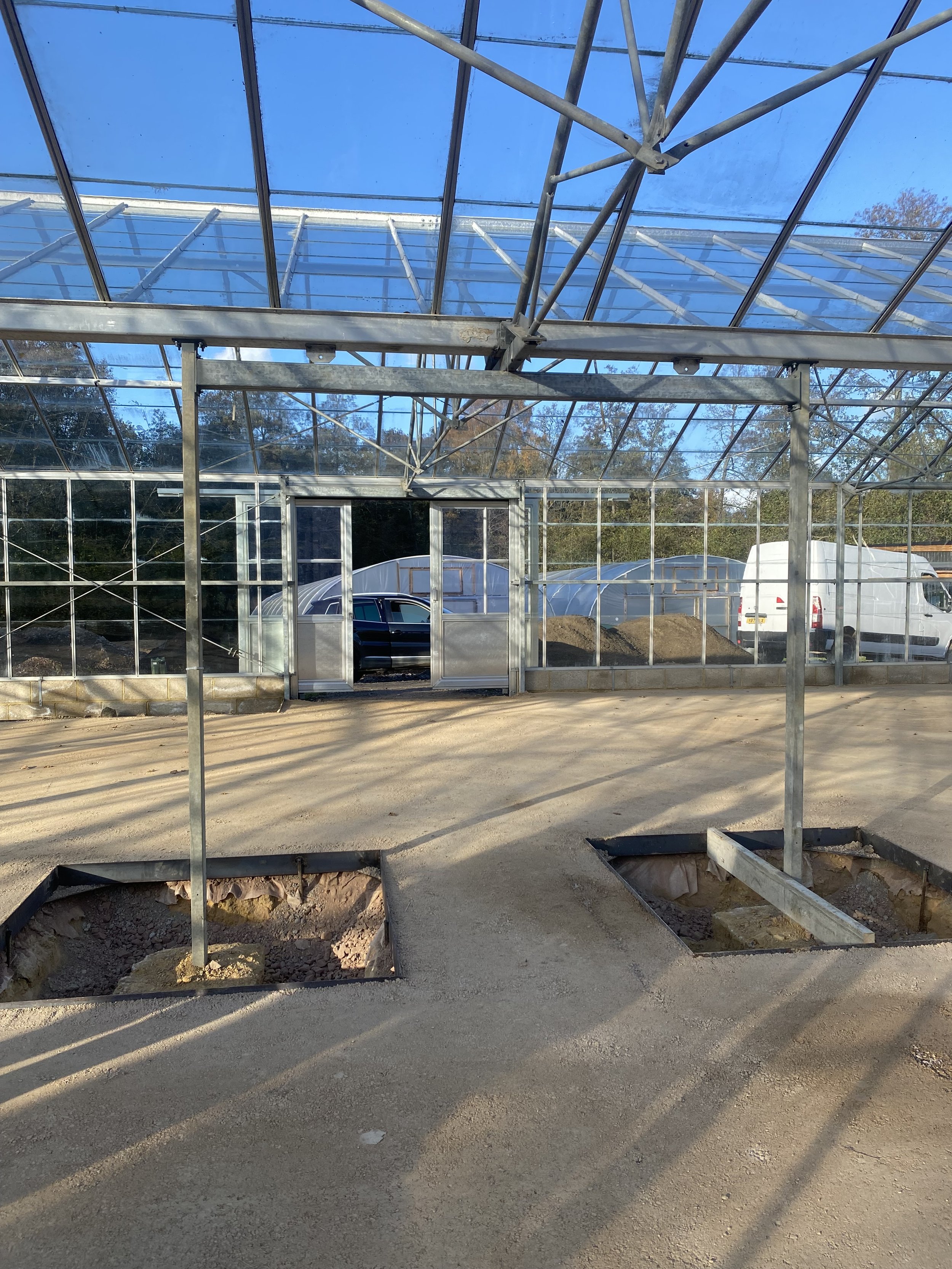
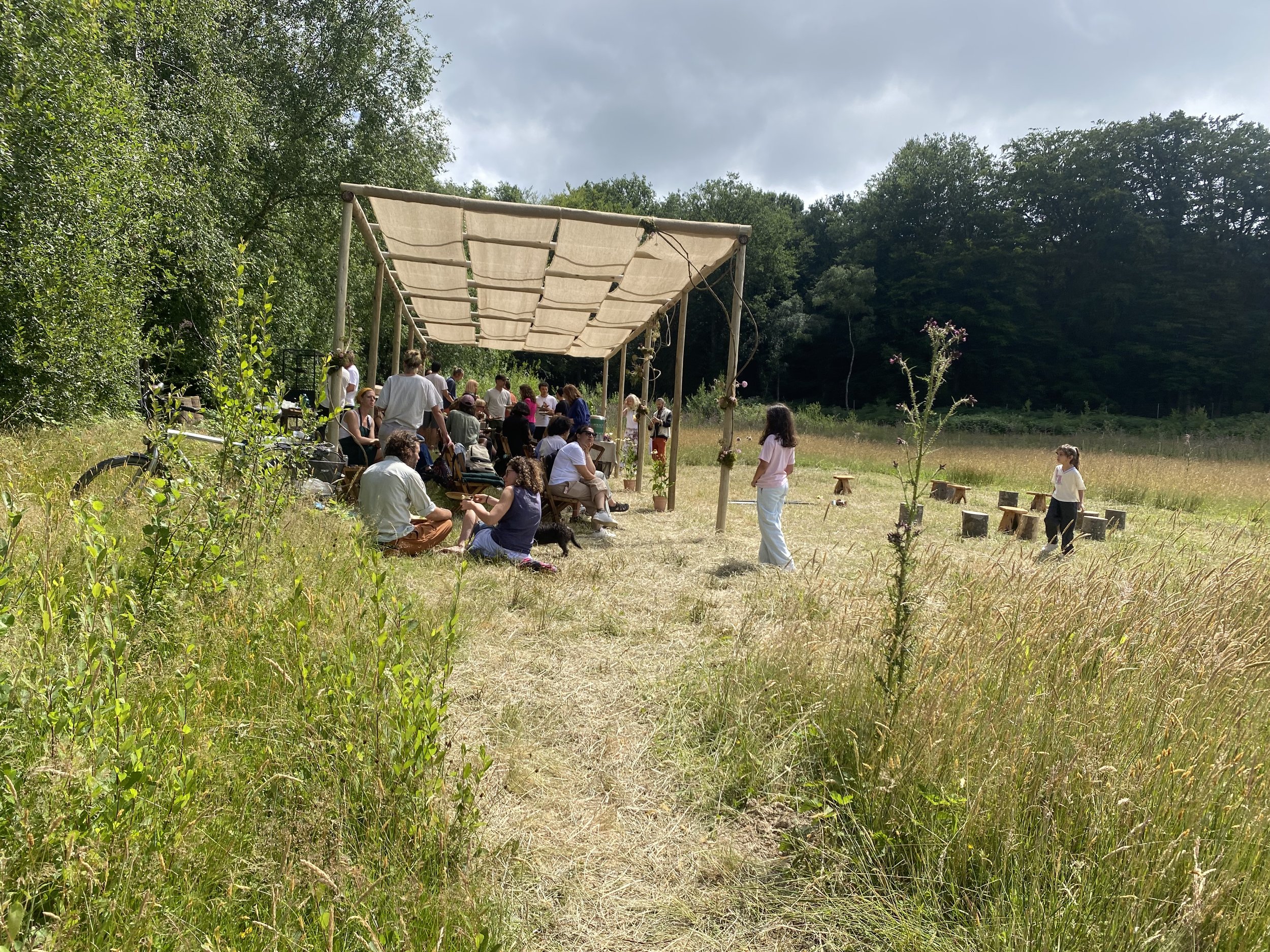
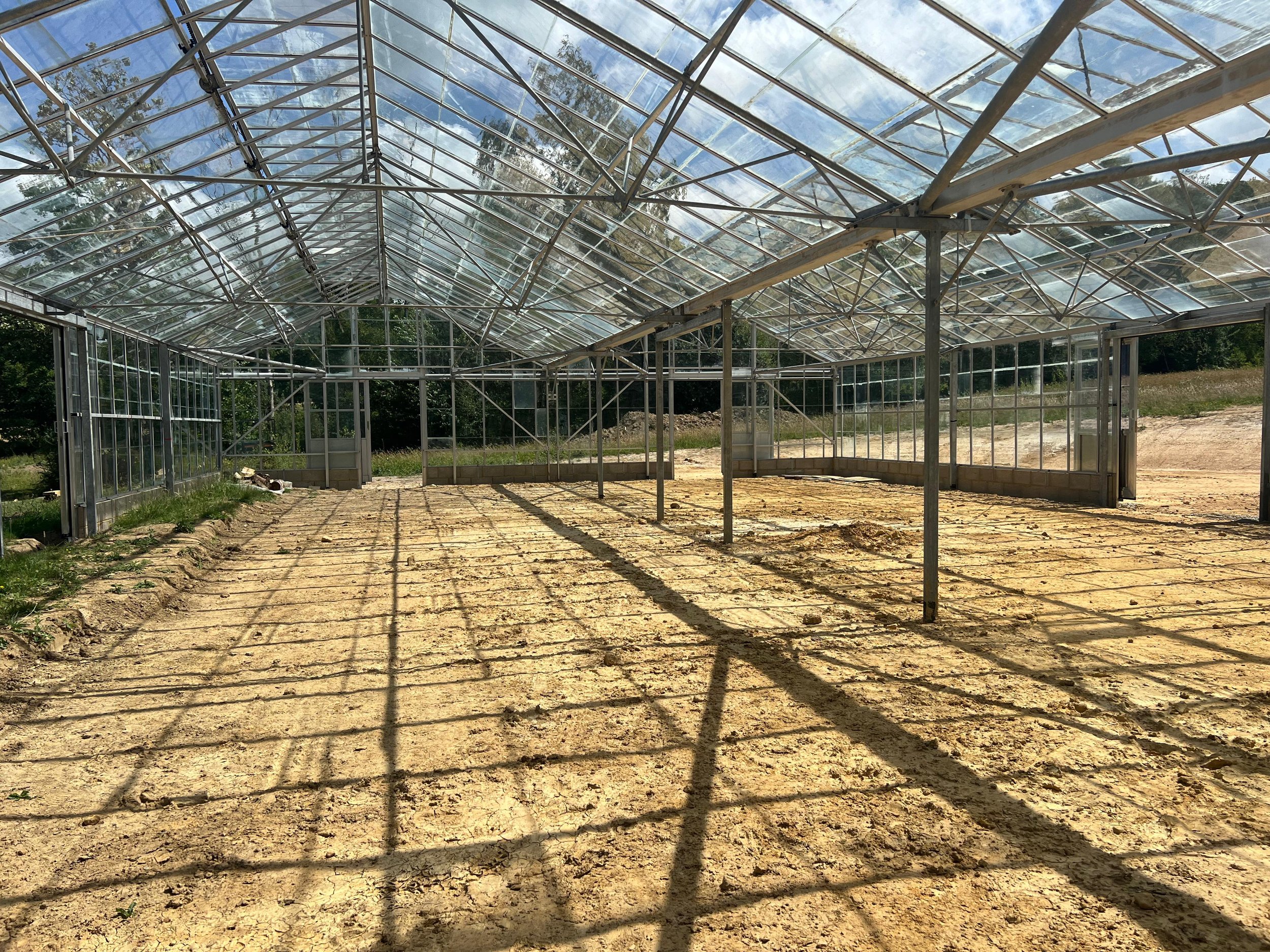
The site's character — forest edge, semi-wetland margins, diverse grassland — was preserved and enhanced rather than erased. Hedgerows were diversified with productive species including sea buckthorn. A parkland system was developed around the hospitality areas. A glasshouse and amphitheatre were built and fully planted — inside and out — to create a hosting space that feels genuinely rooted in the landscape. A working farm became a destination, despite being accessible only down a forest track.

Infrastructure from scratch: borehole installation and water treatment, power upgrades and site-wide distribution, polytunnel installation, access and hardstanding works, and the coordination of every contractor and supplier involved.

The result is a farm that works with one of the most constrained and ecologically sensitive sites I have encountered — and is more productive, more beautiful, and more ecologically alive for it.
L’Abri Subtilia, Normandy


An integrated agroecological holding built around land, animals, and human life

L'Abri Subtilia was a six-hectare agroecological holding in Normandy — a working landscape of fields, forest edge, and diverse habitat, home to sheep, horses, chickens, and donkeys, and run by a family with a vision of farming, floristry, hospitality, and education woven together as a single way of life.

Over three years I worked in close collaboration with them — helping to form and expand that vision as much as to implement it, pushing the possibilities of what the holding could become and establishing the systems to realise them.

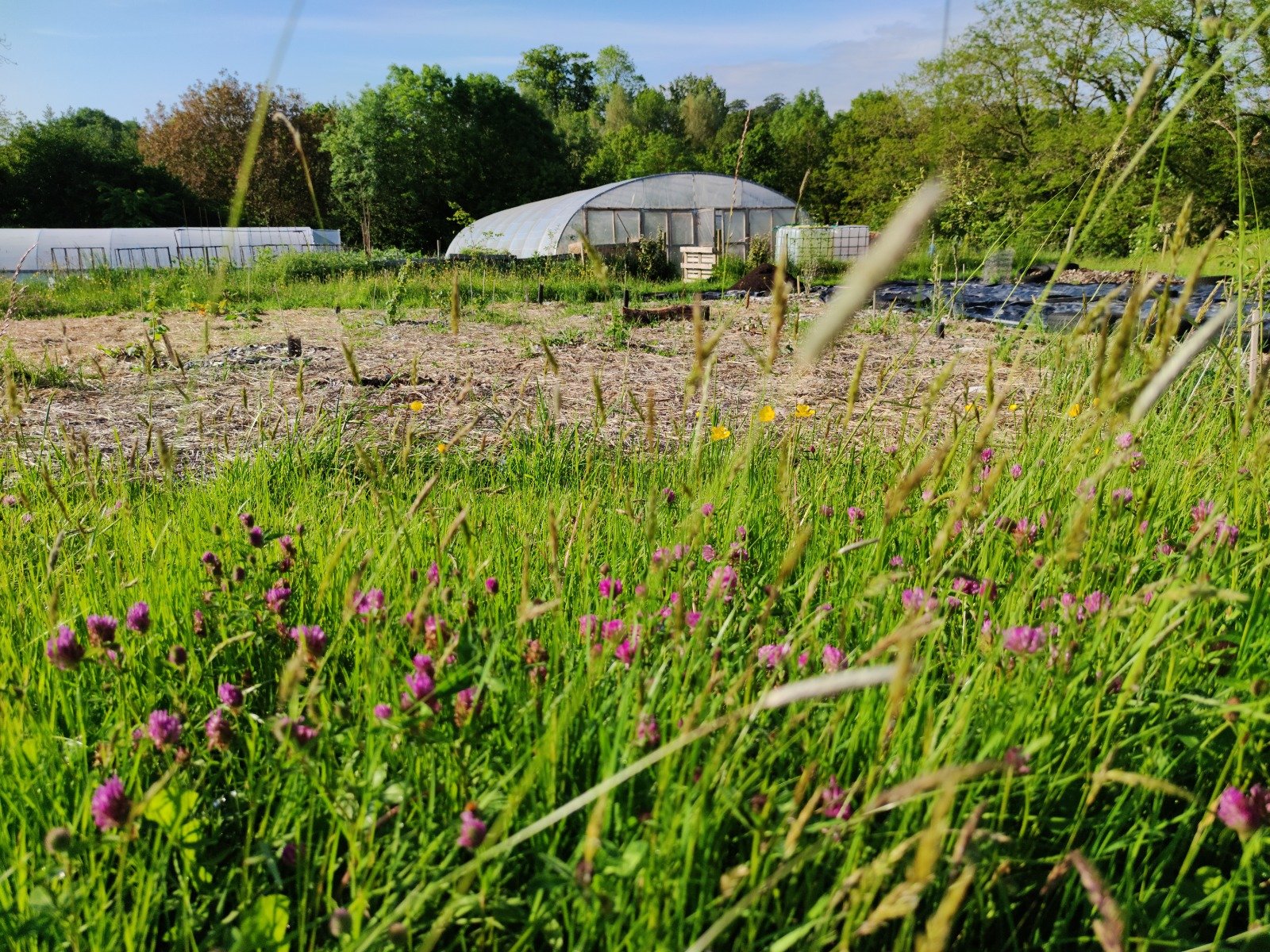
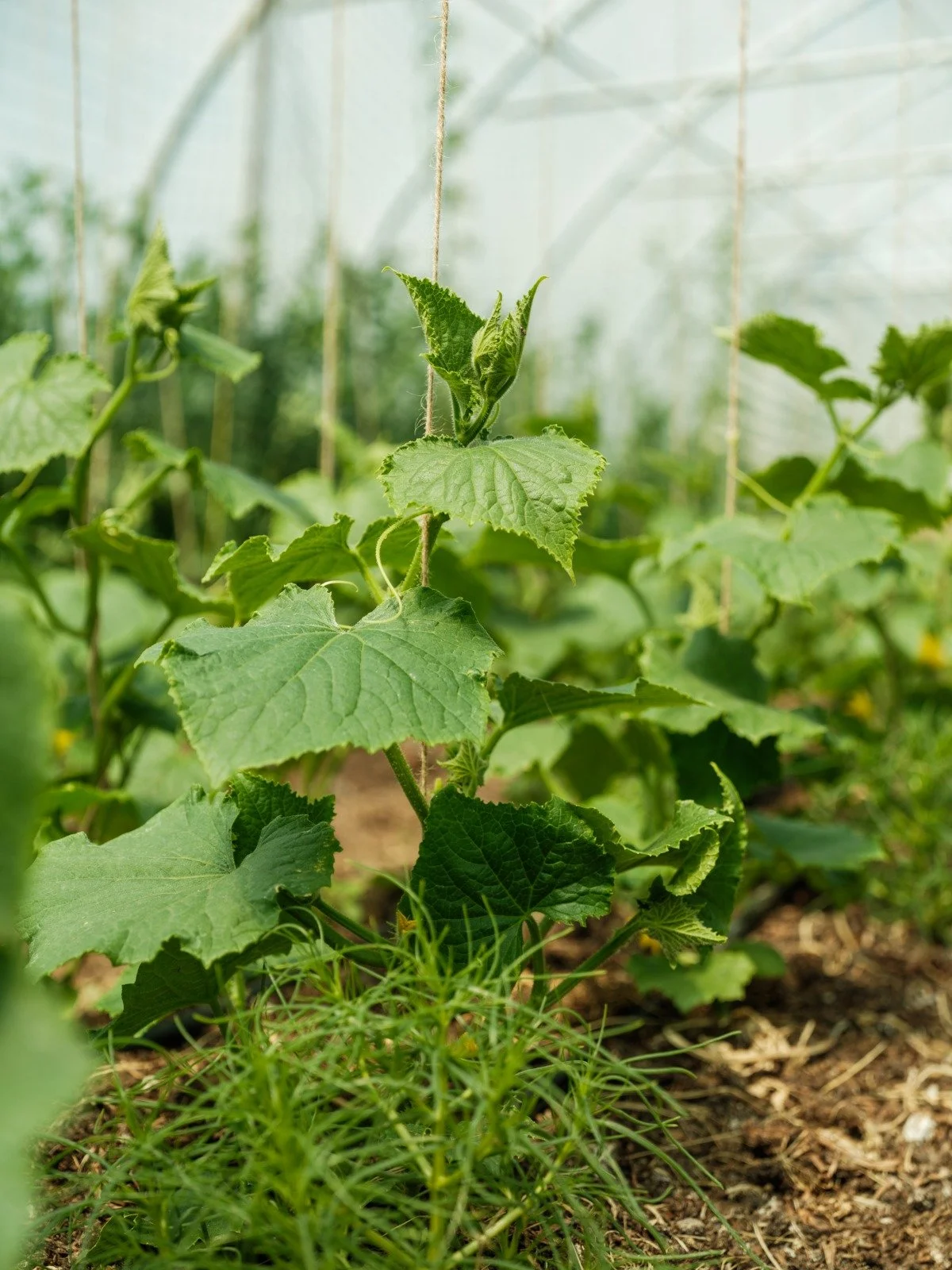
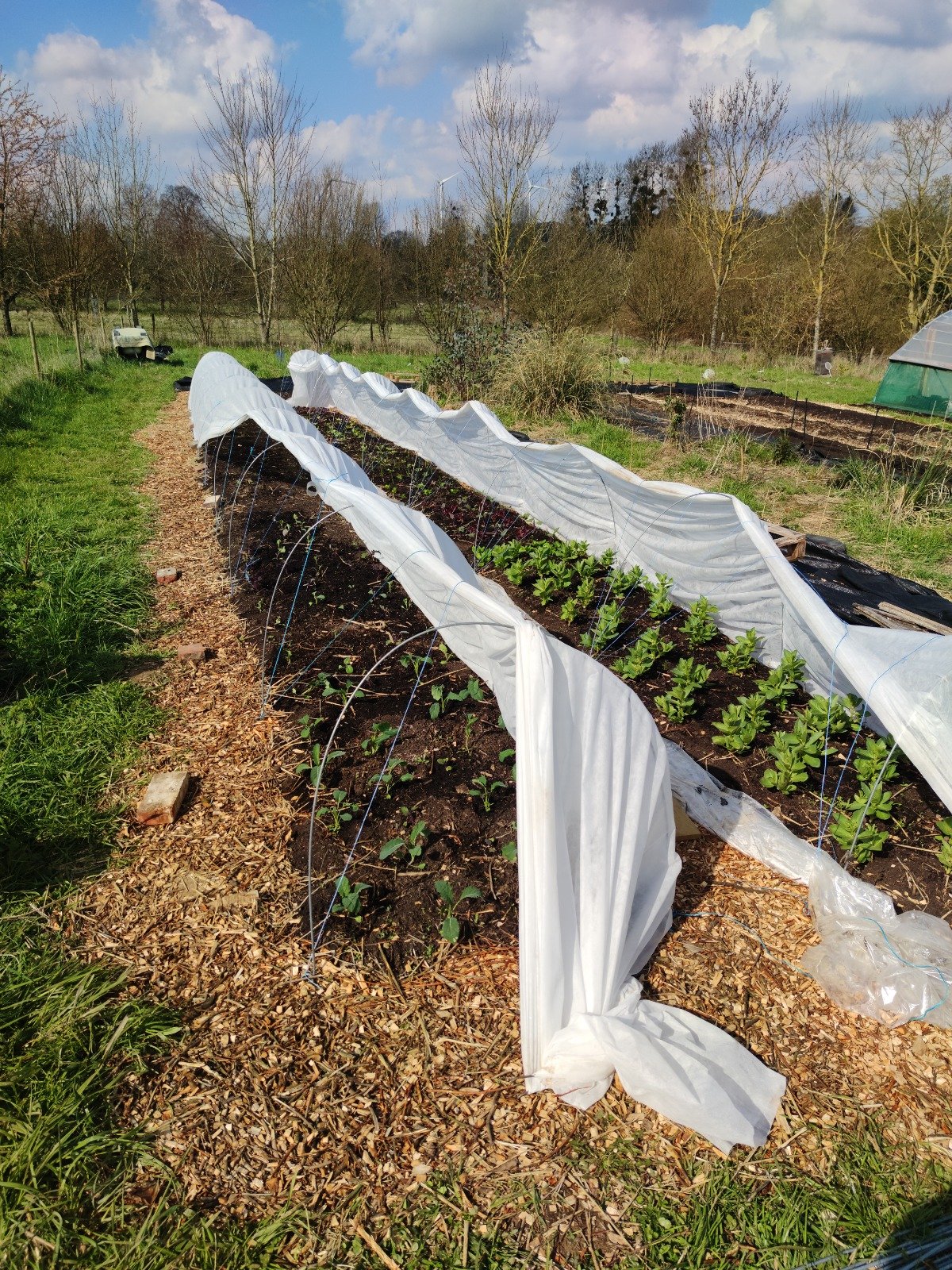
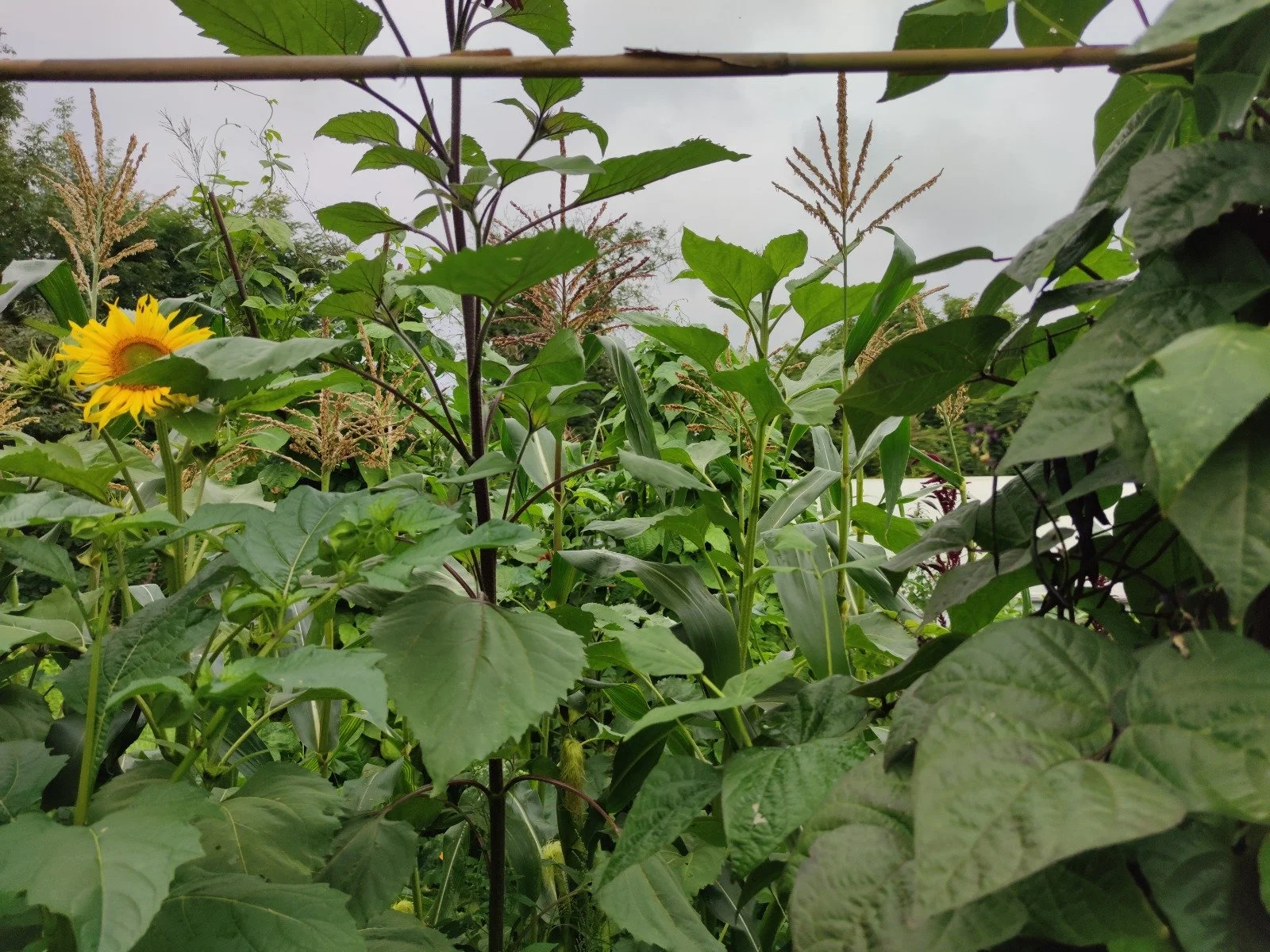
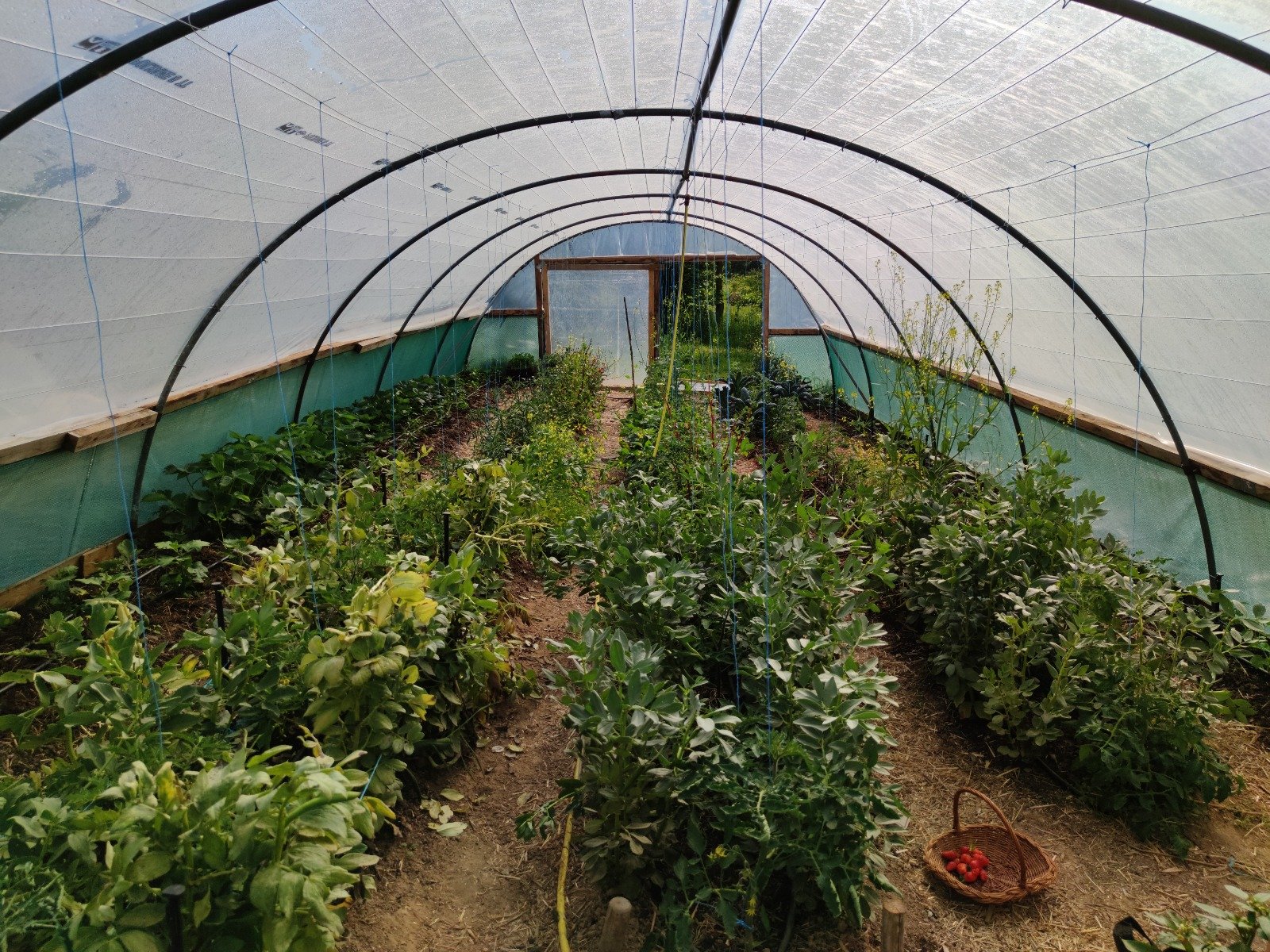
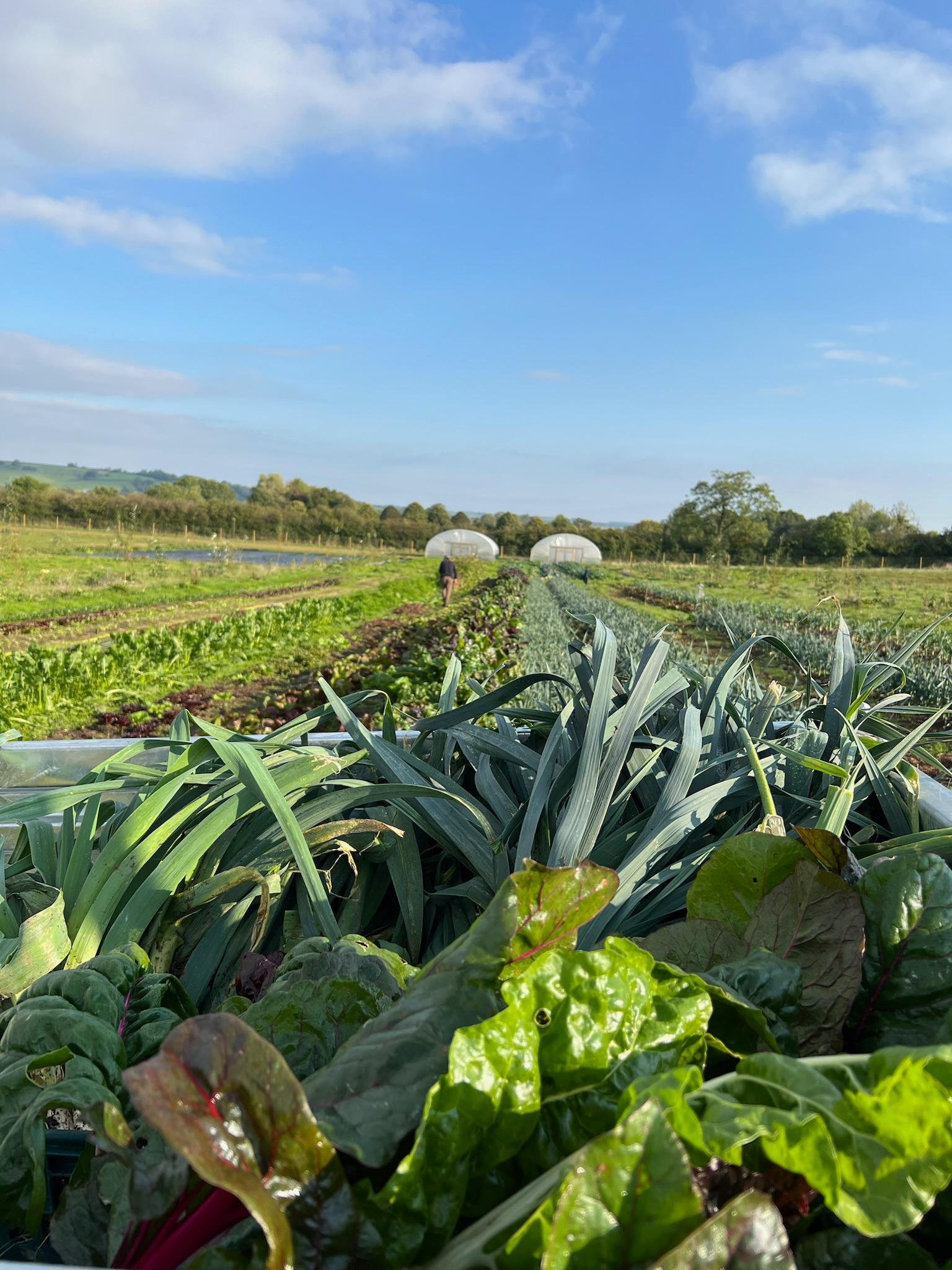
The work spanned the full landscape. A one-acre market garden, a forest garden, polytunnels and propagation infrastructure, and intensive composting and biological fertility systems formed the productive core. Beyond that, the whole landscape was connected through slow, steady ecosystem management — replanting trees and saplings, light-touch margin management to increase habitat diversity, and holistic grazing to move animals through the land in ways that supported soil health and ecological function.

The holding produced food for the household and guests, flowers for weddings and installations, and hosted residential courses that brought people into direct contact with integrated land practice.

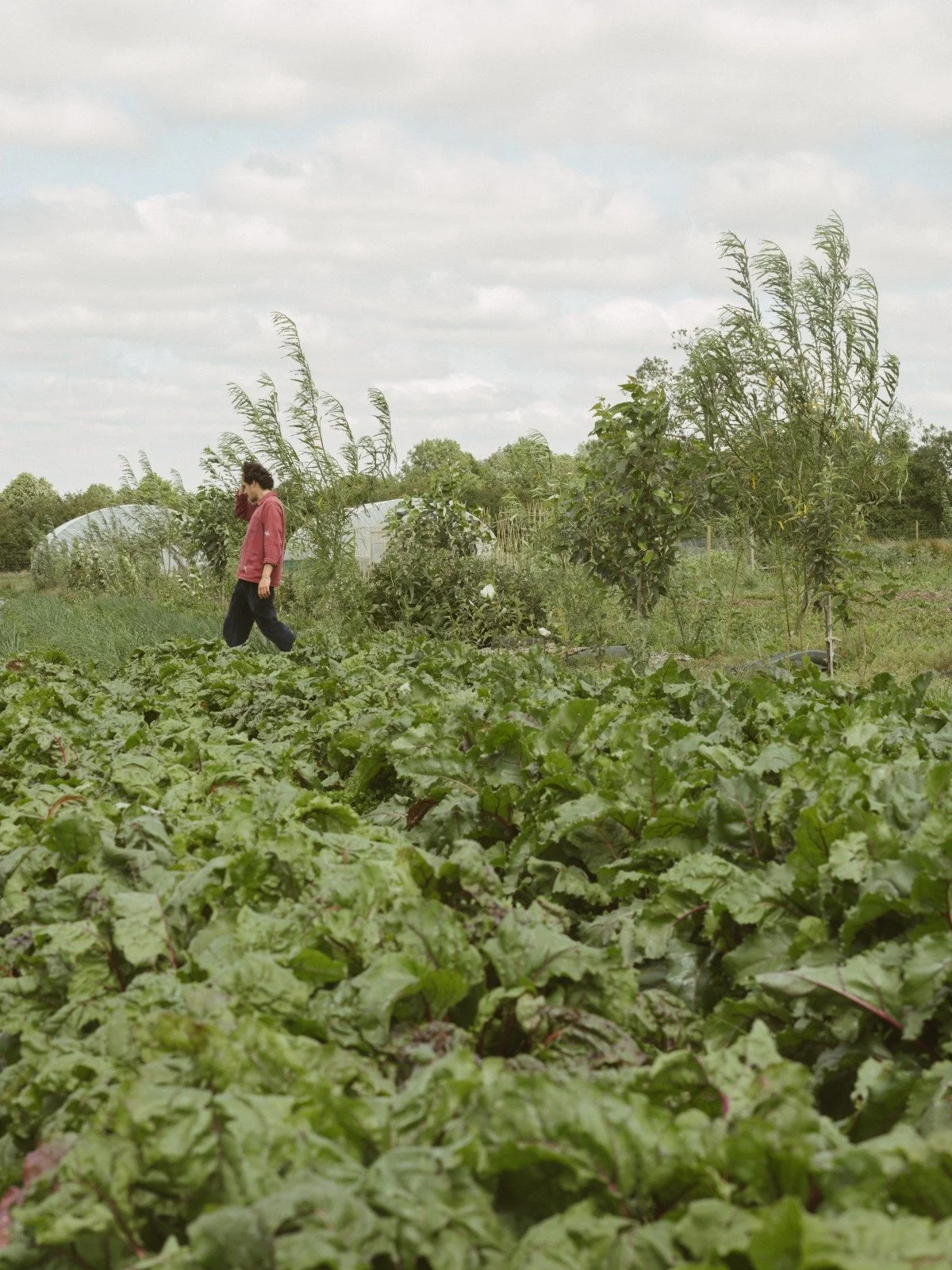
Of all the projects I have worked on, this one had a quality the others rarely match — the quality that comes when land is genuinely lived in rather than managed from a distance. The connections between the family, the animals, the soil, and the seasons were real. That realness showed in everything. It is a reminder of what land stewardship looks like at its most rooted.

Château La Chènevière, Normandy


A château estate, two restaurants, and the land that fed them

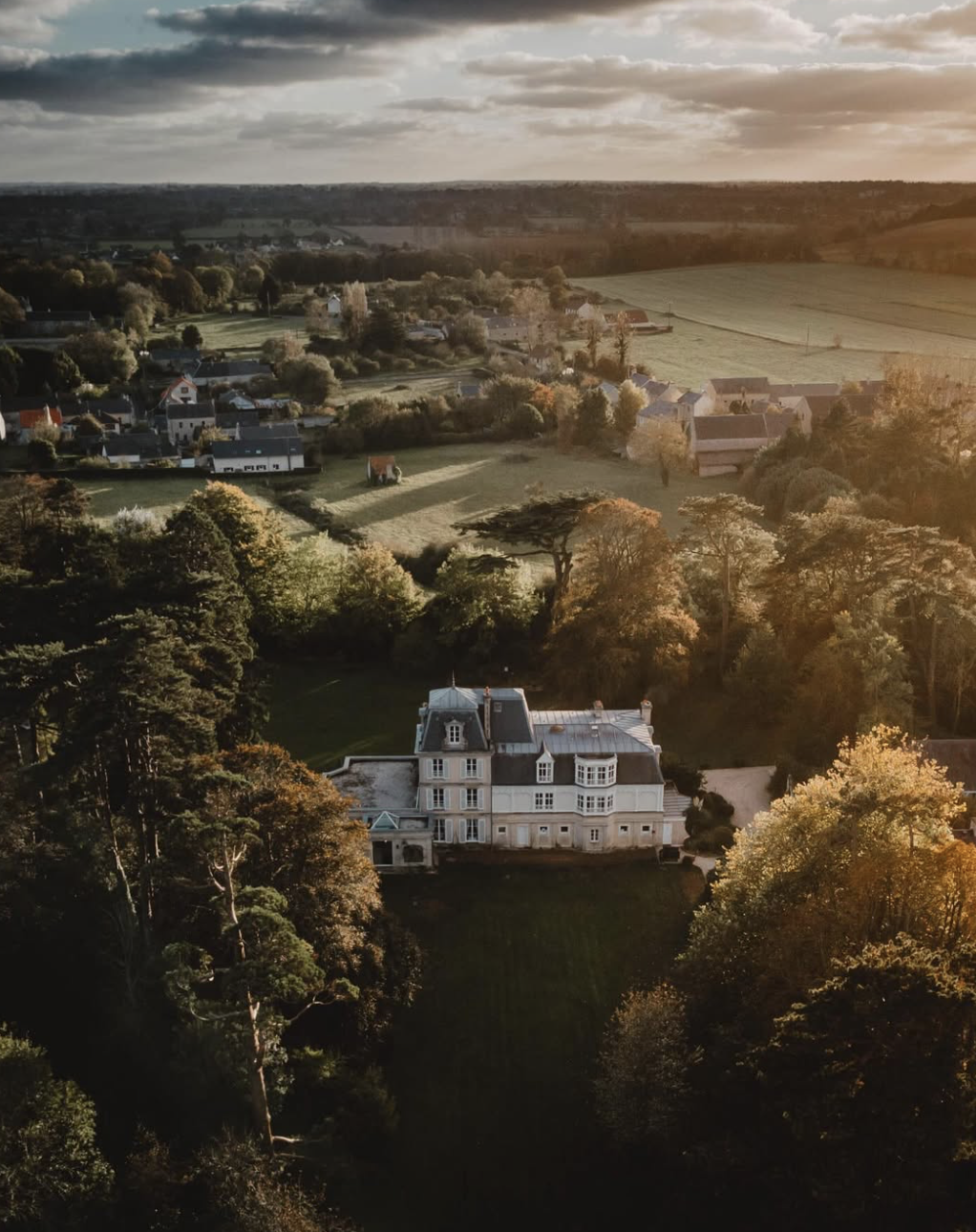
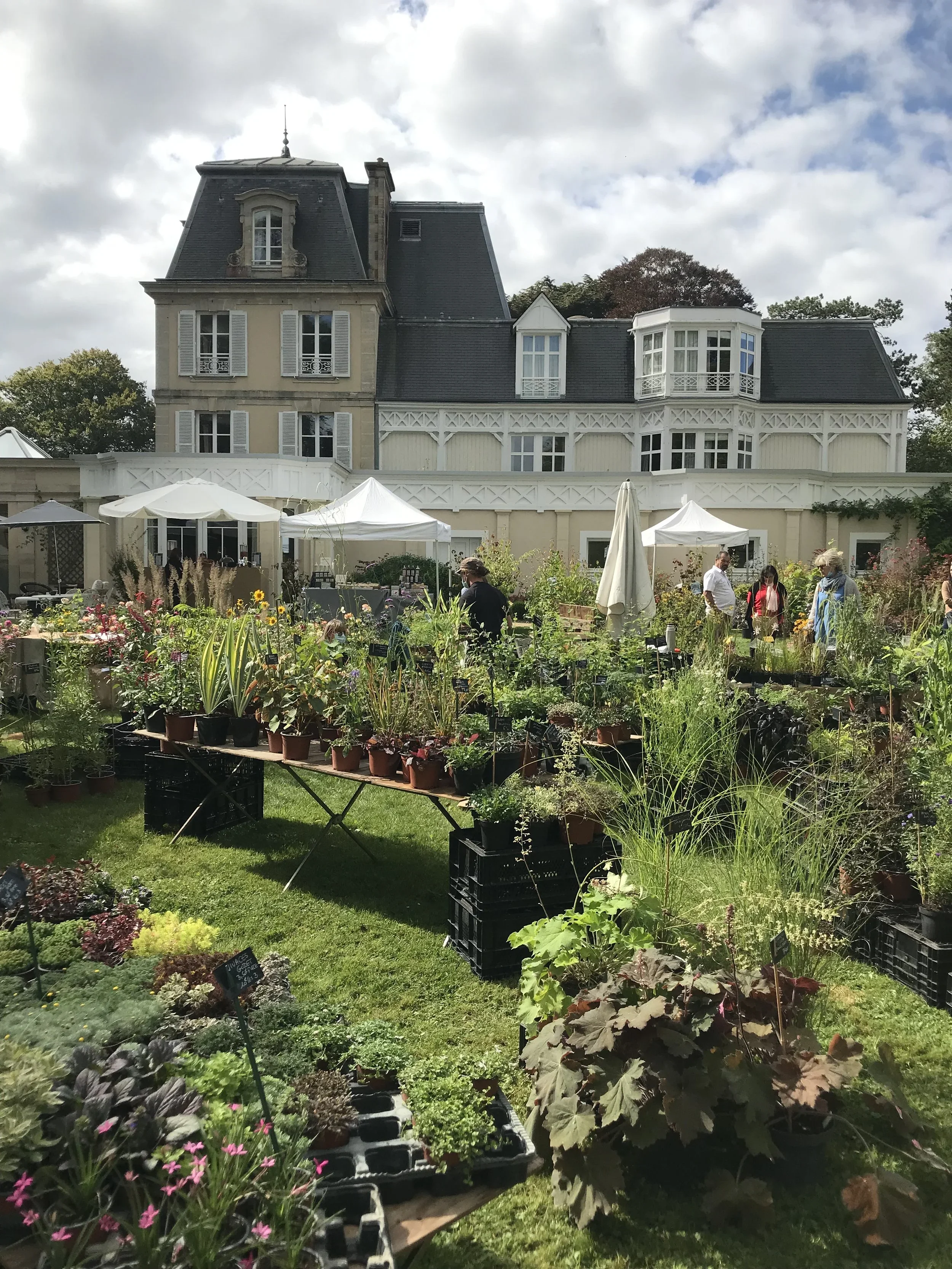
La Chènevière is a luxury château hotel in Normandy with two on-site restaurants, one holding a Michelin star. I worked as part of an experienced team — alongside a permaculture designer and a specialist agroforestry consultant — designing and implementing productive landscape systems for an estate where the growing and the cooking were in constant conversation.

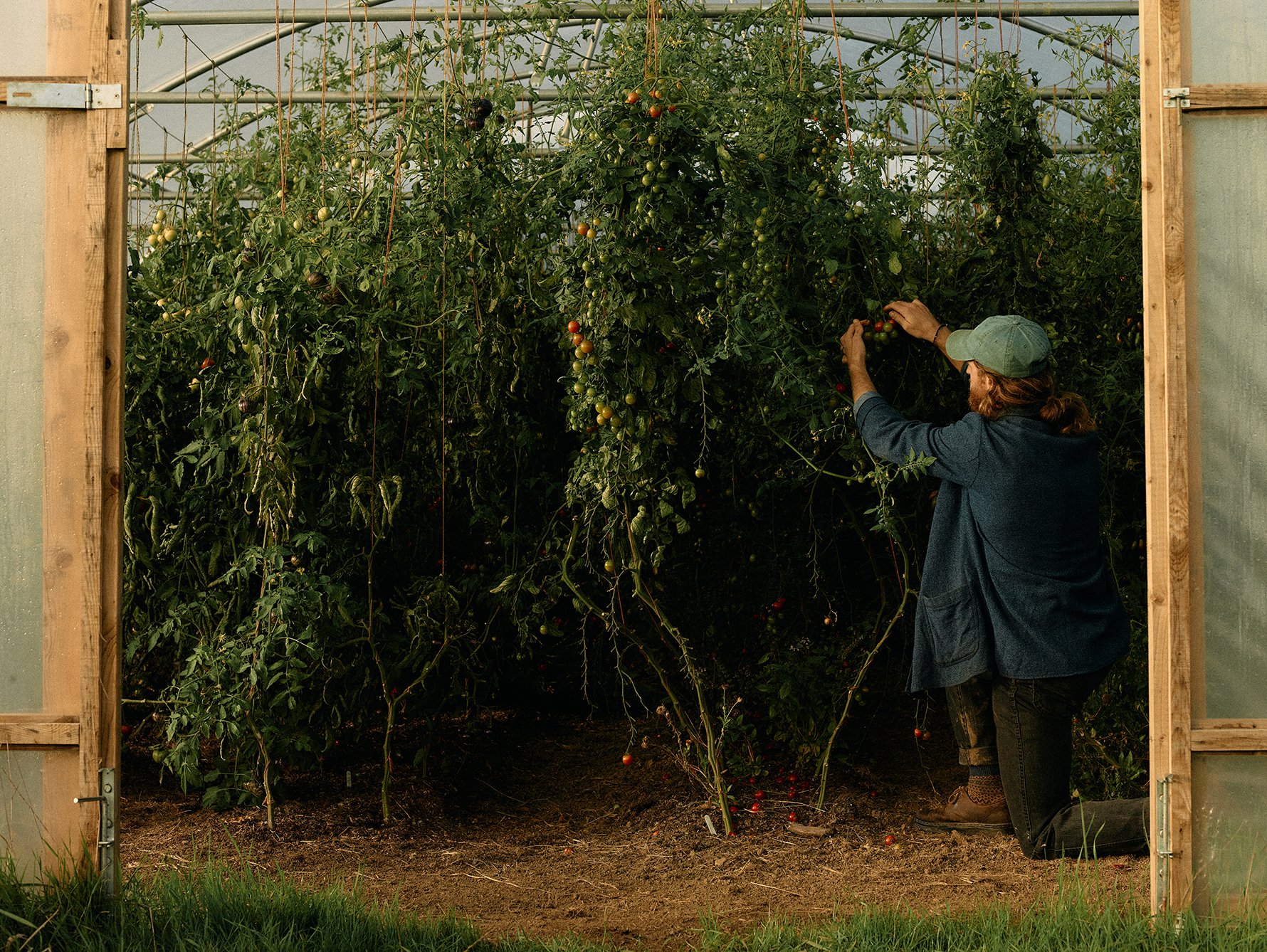
All production was grown exclusively for the two kitchens. Crop planning was done in direct collaboration with the chefs — a discipline that demanded both horticultural precision and a genuine understanding of how growing decisions translate to what ends up on a plate. But the relationship went further than supply. By trialling and introducing forest garden edibles — sea buckthorn, eleagnus, anise hyssop, lemon balm, and other rarely used culinary plants — we actively influenced what the kitchens were cooking, bringing ingredients to the table that most chefs had never worked with before.

The hedgerow work was among the most distinctive of the project. Existing hedges were thickened and diversified with productive species — chestnut, walnut, apple, pear, and cherry — planted in carefully considered spatial arrangements, including pyramid forms that created genuinely unusual and beautiful productive structure in the landscape. A forest garden was established alongside a new market garden outside the walled garden walls, significantly expanding the estate's growing capacity.

The walled garden itself — historic, beautiful, and meticulously kept — remained the heart of the estate's growing. Working within and beyond it required holding both the aesthetic and productive demands of a world-class hospitality setting.

Growing for a Michelin-starred kitchen sharpens every instinct — for quality, for timing, for the relationship between what the land can give and what a kitchen can do with it.